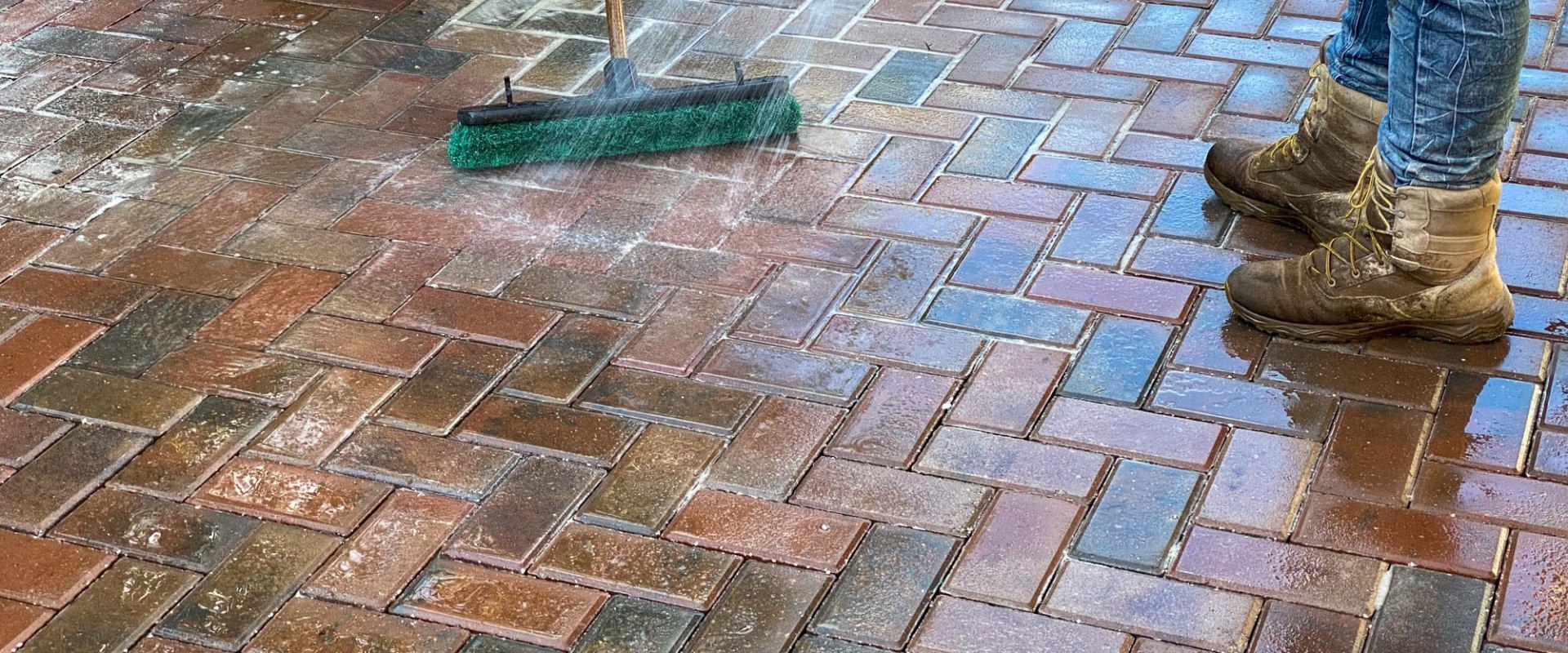
Paver maintenance is a crucial aspect of home and landscape care that often goes overlooked. These versatile surfaces, whether used for driveways, patios, or walkways, not only enhance the aesthetic appeal of your property but also provide functional benefits. Regular maintenance is essential to ensure that your pavers remain in optimal condition, extending their lifespan and preserving their beauty. One of the primary reasons to prioritize paver maintenance is the prevention of damage caused by environmental factors. Over time, dirt, weeds, and moss can accumulate in the joints between pavers, leading to structural issues and unsightly appearances.
By implementing a consistent maintenance routine, homeowners can avoid costly repairs and replacements down the line. Additionally, well-maintained pavers contribute significantly to curb appeal, making your property more inviting and potentially increasing its market value. Moreover, maintaining your pavers can enhance safety around your home. Cracked or uneven surfaces can pose tripping hazards, especially for children and elderly individuals. Regular inspections and timely repairs not only keep your pavers looking great but also ensure a safe environment for family and guests.
In essence, investing time and effort into maintaining your pavers pays off in numerous ways, from aesthetic improvements to increased safety and longevity.
Spring Paver Maintenance: Preparing for the Year Ahead
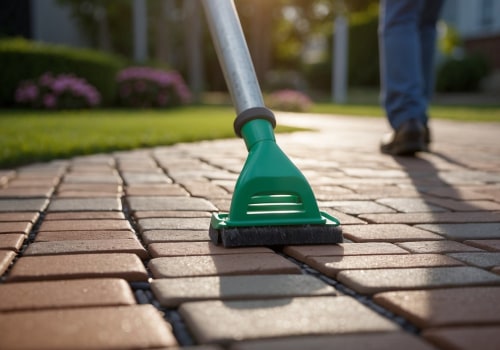
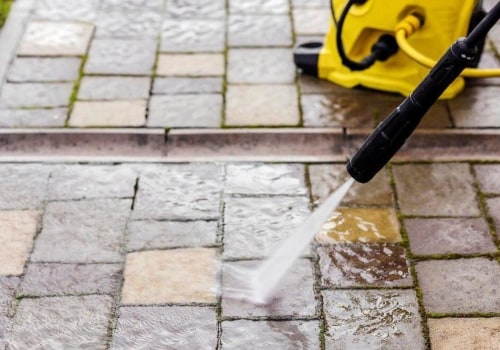
As winter fades and spring emerges, it’s the perfect time to focus on spring paver maintenance. This season offers an opportunity to rejuvenate your outdoor spaces and ensure your pavers are ready for the warmer months ahead. Here are some essential tasks to consider:- Cleaning: Start by removing any debris, leaves, or dirt that has accumulated over the winter. A pressure washer can be an effective tool for this task, but be cautious not to use too much pressure, as it can damage the pavers.
For stubborn stains, consider using a specialized paver cleaner.
- Weed Control: Spring is also the time when weeds begin to sprout. To prevent them from taking root in the joints of your pavers, apply a weed killer or manually remove them. Regular maintenance will help keep your paver surfaces looking pristine.
- Sealing: After cleaning, it’s advisable to apply a sealant to your pavers. This protective layer helps prevent stains and damage from moisture and UV rays.
Choose a sealant that is appropriate for your specific type of pavers and follow the manufacturer’s instructions for application.
- Repairing: Inspect your pavers for any cracks or shifting that may have occurred during the winter months. Addressing these issues promptly can prevent further damage. Replacing broken pavers or re-leveling uneven ones will enhance both the appearance and safety of your outdoor space.
Summer Paver Maintenance: Keeping Your Pavers Cool and Clean
As summer arrives, the heat and increased foot traffic can take a toll on your pavers.Summer paver maintenance is essential to ensure that your outdoor spaces remain inviting and functional throughout the season. Here are some key tasks to focus on during the warmer months:
- Regular Cleaning: Dust, dirt, and debris can accumulate quickly during summer. Regularly sweeping your pavers helps prevent stains and keeps them looking fresh. For deeper cleaning, consider using a pressure washer with a mild detergent to remove stubborn grime.
- Weed Control: Summer is prime time for weed growth.
Monitor your paver joints for any signs of weeds and remove them promptly. You can use a mixture of vinegar and water as a natural herbicide or opt for commercial weed killers that are safe for use around pavers.
- Joint Sand Maintenance: The sand between your pavers plays a crucial role in keeping them stable. After cleaning, check if the joint sand has been washed away or eroded. Replenishing it not only enhances the appearance but also prevents shifting and settling of the pavers.
- Sealing: If you haven’t sealed your pavers recently, summer is an excellent time to do so.
A good sealant protects against UV rays, moisture, and stains, ensuring that your pavers maintain their color and integrity throughout the season.
Fall Paver Maintenance: Preparing for Winter Challenges
As the leaves begin to change and temperatures drop, fall paver maintenance becomes crucial in preparing your outdoor spaces for the harsh winter months ahead. Taking proactive steps during this season can significantly extend the life of your pavers and ensure they remain in excellent condition.One of the most important tasks in fall is sealing your pavers. This process involves applying a protective sealant that helps to prevent moisture from penetrating the surface.By sealing your pavers, you create a barrier against ice, snow, and other winter elements that can cause cracking and shifting. It’s best to choose a sealant specifically designed for your type of pavers, whether they are concrete, brick, or natural stone.
Ensuring Proper Drainage
Another critical aspect of preparing pavers for winter is ensuring proper drainage. Clogged drains or poor grading can lead to water pooling on the surface of your pavers, which can freeze and thaw, causing significant damage. Here are some steps to ensure effective drainage:- Clear debris: Remove leaves, dirt, and other debris from the surface of your pavers and any drainage channels.
- Check for blockages: Inspect drains and downspouts for blockages that could impede water flow.
- Adjust grading: If necessary, adjust the grading around your pavers to direct water away from them.
Many traditional de-icing products can damage the surface of your pavers over time. Opt for alternatives that are specifically formulated to be gentle on stone and concrete surfaces.By focusing on these essential fall maintenance tasks, you can protect your pavers from winter challenges and ensure they remain beautiful and functional for years to come. Remember, investing time in fall paver maintenance not only enhances the aesthetic appeal of your outdoor space but also saves you from costly repairs in the future.
Winter Paver Maintenance: Protecting Against Harsh Conditions
Winter can be particularly harsh on pavers, making it essential to implement effective winter paver maintenance strategies. Proper care during this season not only enhances the appearance of your outdoor spaces but also extends the lifespan of your pavers.Snow Removal Techniques
When it comes to snow removal, using the right tools is crucial.Avoid metal shovels, as they can scratch and damage the surface of your pavers. Instead, opt for a plastic or rubber shovel to gently clear snow without causing harm. Additionally, consider using a snow blower with a rubber edge to minimize the risk of scratching.
Preventing Ice Damage
Ice can pose a significant threat to your pavers, leading to cracks and shifting. To prevent ice formation, you can:- Apply sand or kitty litter: These materials provide traction and help melt ice without damaging your pavers.
- Use de-icing agents: If necessary, choose a de-icer that is safe for pavers.
Avoid products containing salt, as they can lead to efflorescence and other long-term damage.
- Keep drainage areas clear: Ensure that gutters and drains are free from debris to prevent water accumulation that can freeze and expand.
Regular Inspections
Conducting regular inspections during winter is vital. Look for any signs of shifting or settling in your pavers, as well as any cracks that may have developed due to freeze-thaw cycles. Addressing these issues promptly can prevent more extensive damage in the future.By implementing these winter care for pavers techniques, you can protect your investment and ensure that your outdoor spaces remain beautiful and functional throughout the cold months. Remember, proactive maintenance is key to avoiding costly repairs in the spring!Common FAQs About Paver Maintenance Throughout the Year
When it comes to paver maintenance, many homeowners have questions about the best practices and timing for various tasks.Here are some of the most common FAQs regarding paver care throughout the year:
- Can I perform paver maintenance in winter?
Yes, while winter is not the ideal time for all maintenance tasks, certain activities can still be performed. For instance, clearing snow and ice from pavers is crucial to prevent damage. However, avoid sealing pavers in freezing temperatures as it can lead to poor adhesion. - What is the best season for sealing pavers?
The best time to seal your pavers is during the warmer months, typically late spring to early fall. This allows for optimal curing conditions, ensuring that the sealant adheres properly and provides long-lasting protection. - How often should I clean my pavers?
Regular cleaning is essential for maintaining the appearance and longevity of your pavers.Aim to clean them at least once a year, ideally in the spring or fall when temperatures are moderate. This helps remove dirt, debris, and any potential stains.
- Is it necessary to re-sand my pavers?
Yes, re-sanding is an important part of paver maintenance. After cleaning, you may need to replenish the joint sand to prevent weed growth and stabilize the pavers. This task can be done after cleaning in spring or fall. - What should I do if my pavers are sinking?
If you notice sinking or shifting pavers, it’s important to address this issue promptly.Depending on the severity, you may need to lift and re-level the affected pavers or consult a professional for more extensive repairs.
Conclusion: Year-Round Commitment to Paver Care
In conclusion, paver maintenance is not a one-time task but rather a year-round commitment that requires attention to seasonal changes. Each season presents unique challenges and opportunities for maintaining the integrity and appearance of your pavers. During the spring, it’s essential to conduct a thorough inspection after the winter months. Look for any damage caused by freezing temperatures and clear away debris that may have accumulated. This is also the perfect time to apply a fresh sealant, which can protect your pavers from the upcoming summer heat. Summer maintenance focuses on keeping your pavers clean and free from weeds.Regular washing and the application of weed control products can prevent unwanted growth that can compromise the aesthetics and structure of your pavers. As fall approaches, it’s crucial to prepare for the winter ahead. This includes clearing leaves and other organic matter that can stain or damage your pavers if left unattended. Additionally, consider re-sanding joints to ensure stability as temperatures drop. Finally, winter maintenance should not be overlooked. While snow and ice can be harsh on pavers, using appropriate de-icing agents and shoveling techniques can minimize damage.
Regular checks during this season will help you catch any issues early. By understanding the specific needs of paver maintenance throughout the year, homeowners can ensure their outdoor spaces remain beautiful and functional for years to come. A proactive approach not only enhances curb appeal but also extends the lifespan of your pavers, making it a worthwhile investment.