When it comes to paver maintenance, understanding the various types of paver materials and their durability is essential, especially in regions that experience extreme weather conditions. Pavers are typically made from a variety of materials, including concrete, brick, and natural stone, each offering unique benefits and challenges. For instance, concrete pavers are known for their strength and versatility, making them a popular choice for driveways and patios. However, they can be susceptible to cracking in freezing temperatures if not properly sealed and maintained. On the other hand, brick pavers provide a classic aesthetic and are generally more resistant to moisture absorption, which can help prevent damage during freeze-thaw cycles.
Yet, they may require more frequent maintenance to keep them looking their best.
Natural stone pavers
, such as slate or granite, offer unparalleled beauty and durability but can be more expensive and may require specialized care to protect against weather-related wear. Understanding these materials is crucial for homeowners and property managers alike. The durability of each type of paver directly influences how they respond to environmental stressors like heavy rain, snow, or extreme heat. For example, while some pavers can withstand high temperatures without fading or cracking, others may warp or discolor under similar conditions.Therefore, selecting the right material based on local climate conditions is a key factor in effective paver maintenance.
Impact of Extreme Weather on Pavers
Extreme weather conditions can significantly impact the longevity and appearance of pavers. Understanding how different weather elements affect paver maintenance is crucial for homeowners and property managers alike.Effects of Heavy Rain
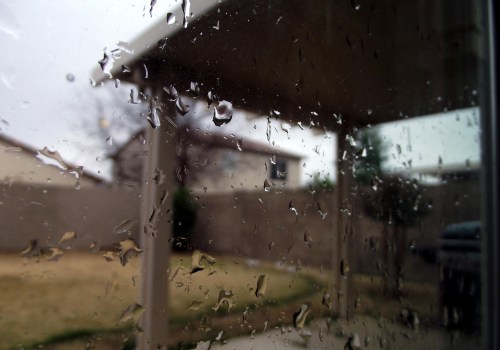
Heavy rainfall can lead to water pooling, which may cause erosion of the base material beneath the pavers. This erosion can result in uneven surfaces and shifting pavers. To mitigate these effects, it is essential to ensure proper drainage systems are in place.Regularly checking for and clearing any blockages in drainage channels can help maintain the integrity of your paver installation.
Impact of Snow and Ice
In regions that experience snow and ice, pavers can be subjected to freeze-thaw cycles. When water seeps into cracks and freezes, it expands, potentially causing the pavers to crack or shift. To prevent this, consider applying a sealant before winter. This sealant acts as a barrier against moisture infiltration.Additionally, using a plastic shovel instead of metal can help avoid scratching or damaging the surface of the pavers when removing snow.
Challenges of Extreme Heat
Conversely, extreme heat can lead to fading colors and increased wear on paver surfaces. The intense sun can also cause some materials to expand, leading to potential cracking. To combat these issues, regular cleaning is essential to remove dirt and debris that can trap heat. Applying a reflective sealant can also help protect against UV damage while enhancing the color retention of your pavers.Tailored Maintenance Strategies
Given these varying impacts of extreme weather on paver maintenance, it is vital to adopt tailored strategies for each season.Regular inspections should be conducted to identify any signs of damage early on. Implementing seasonal maintenance routines—such as sealing before winter and cleaning before summer—can significantly extend the life of your pavers.In conclusion, understanding the specific effects of extreme weather on pavers allows for more effective maintenance strategies, ensuring that your outdoor spaces remain beautiful and functional year-round.
Seasonal Maintenance Tips for Pavers
Maintaining pavers throughout the year is essential to ensure their longevity and aesthetic appeal. Each season presents unique challenges and opportunities for paver maintenance, so it’s crucial to adapt your care routine accordingly.Winter Paver Care
During winter, pavers can be subjected to freezing temperatures and snow accumulation. Here are some tips for effective winter care:- Remove Snow Promptly: Use a plastic shovel to clear snow off your pavers.
Metal shovels can scratch the surface.
- Avoid Salt: While it may be tempting to use salt for ice melting, it can damage the paver surface and joint sand. Opt for sand or kitty litter instead.
- Inspect for Damage: After winter, check for any cracks or shifting in your pavers. Addressing these issues early can prevent more extensive repairs later.
Spring Maintenance
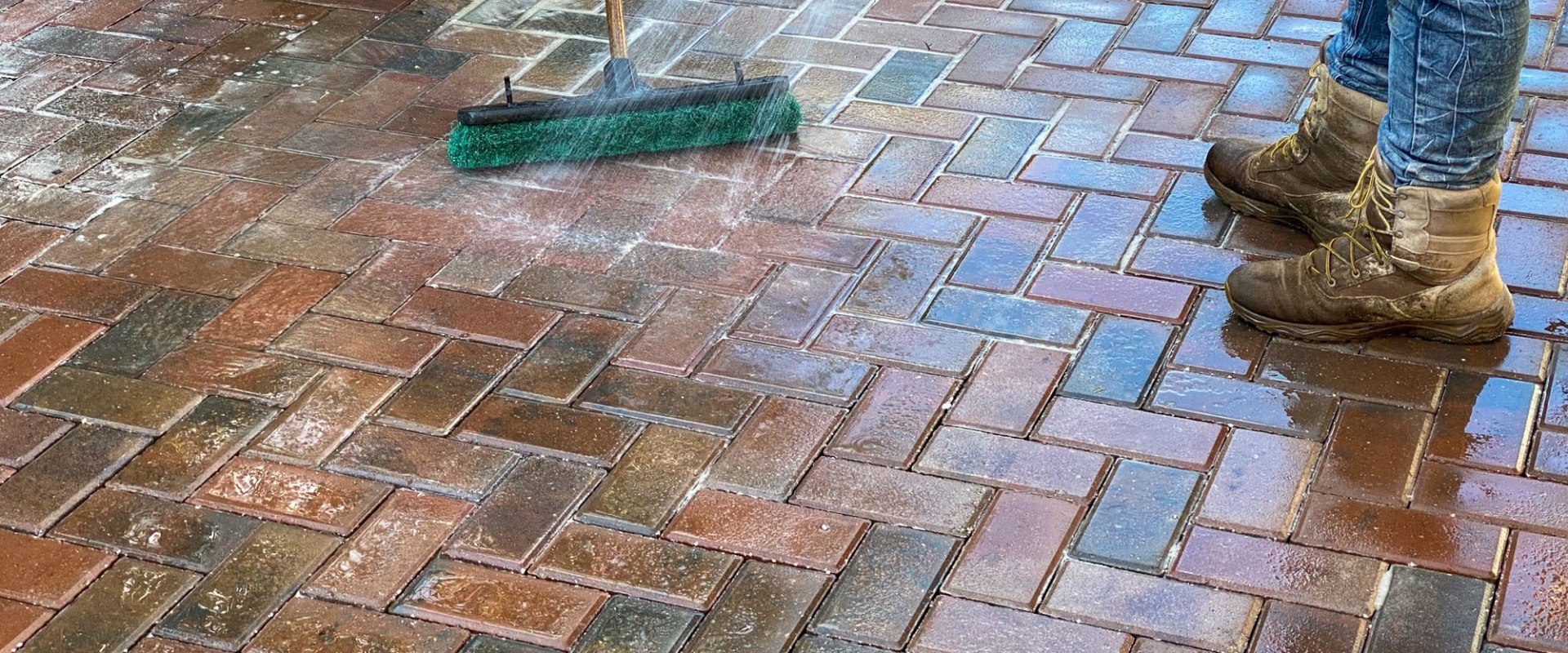
As the weather warms up, spring is an ideal time to perform a thorough cleaning and inspection:- Power Wash: Use a power washer to remove dirt, grime, and any leftover winter debris from your pavers.
- Re-Sand Joints: After cleaning, replenish the joint sand to prevent weed growth and maintain stability.
- Sealant Application: Consider applying a sealant to protect against moisture and stains as the rainy season approaches.
Summer Paver Maintenance
The summer heat can lead to fading and wear on your pavers. Here’s how to keep them in top shape:- Regular Cleaning: Sweep regularly to remove debris and prevent staining from organic materials like leaves.
- Weed Control: Use a natural herbicide or pull weeds by hand to keep your paver joints clear.
- Monitor for Shifting: High temperatures can cause some shifting; check for unevenness and adjust as necessary.
Preventative Measures for Paver Longevity
To ensure the longevity of your pavers, especially in extreme weather conditions, implementing preventative maintenance is crucial.Here are some effective strategies to prolong the life of your pavers:
- Regular Sealing: Applying a high-quality sealant to your pavers can protect them from moisture, stains, and UV damage. It creates a barrier that prevents water infiltration, which can lead to cracking and shifting during freeze-thaw cycles.
- Routine Inspections: Conduct regular inspections of your paver surfaces. Look for signs of wear, such as cracks or loose pavers. Early detection allows for timely repairs, preventing more extensive damage.
- Proper Drainage: Ensure that your paver installation includes adequate drainage systems.
Poor drainage can lead to water pooling, which can erode the base material and compromise the integrity of the pavers.
- Weed Control: Weeds can grow between pavers, causing them to shift and become uneven. Regularly remove weeds and consider using a polymeric sand that hardens when wet to fill gaps and deter weed growth.
- Snow and Ice Management: In winter months, avoid using salt or harsh chemicals for ice removal as they can damage the surface of the pavers. Instead, use sand or a pet-safe de-icer to maintain traction without harming the material.
Common Issues and Solutions in Extreme Weather Conditions
Extreme weather conditions can significantly impact the integrity and appearance of your pavers.Homeowners should be aware of common issues that arise during these times and how to effectively address them.
Common Paver Issues
- Cracking: Freezing temperatures can cause water trapped in the pavers to expand, leading to cracks. This is particularly common in areas with significant freeze-thaw cycles.
- Shifting: Heavy rains or flooding can wash away the base material beneath pavers, causing them to shift or become uneven.
- Weed Growth: Extreme heat can lead to dry soil, which may encourage weed growth in the joints between pavers.
- Staining: Snow and ice melting agents, such as salt, can leave unsightly stains on pavers if not cleaned promptly.
Practical Solutions
- Regular Inspections: Conduct regular inspections of your pavers, especially after extreme weather events. Look for signs of cracking or shifting and address them immediately.
- Repairing Cracks: For minor cracks, use a concrete filler that matches the color of your pavers. For larger cracks, consider consulting a professional for more extensive repairs.
- Reinforcing Base Material: If shifting occurs, it may be necessary to excavate and reinforce the base material beneath the pavers to ensure stability.
- Weed Prevention: Apply a high-quality polymeric sand in the joints of your pavers to help prevent weed growth.
Regularly check for weeds and remove them promptly.
- Cleaning Stains: Use a mixture of water and mild detergent to clean any stains caused by salt or other agents. A pressure washer can also be effective but should be used with caution to avoid damaging the pavers.
FAQs About Paver Maintenance in Extreme Weather
Maintaining pavers in extreme weather conditions can be challenging, and many homeowners have questions about how to best care for their outdoor surfaces. Here are some frequently asked questions regarding paver maintenance in such conditions:- How do I protect my pavers from freezing temperatures? In areas with harsh winters, it's essential to prevent ice formation on your pavers. Regularly clearing snow and ice using a plastic shovel can help avoid damage.
Additionally, applying a de-icing agent that is safe for pavers can minimize the risk of cracking.
- What should I do if my pavers are exposed to extreme heat? In hot climates, pavers can become discolored or even damaged. To maintain their appearance, consider using a sealant designed for high temperatures. This will help protect against fading and keep the surface cool.
- How often should I clean my pavers during extreme weather? Regular cleaning is crucial, especially after heavy storms or seasonal changes. Aim to clean your pavers at least once every few months, using a pressure washer or a mild detergent solution to remove dirt and debris.
- Can I use sand to fill gaps in my pavers during winter? Using sand can be effective, but it's important to choose the right type.
Polymeric sand is recommended as it hardens when wet and helps prevent weed growth while providing stability during freeze-thaw cycles.
- What are the signs that my pavers need repair after extreme weather? Look for signs such as uneven surfaces, cracks, or shifting pavers. If you notice any of these issues, it may be time to consult a professional for repairs to ensure the longevity of your paver installation.
Conclusion: Key Takeaways for Effective Paver Maintenance
In summary, maintaining pavers in extreme weather conditions requires a proactive approach to ensure their longevity and aesthetic appeal. Here are the key takeaways for effective paver maintenance:- Regular Inspections: Conduct routine checks for cracks, shifting, or erosion. Early detection of issues can prevent more significant damage.
- Seasonal Preparation: Before winter, apply a protective sealant to guard against freeze-thaw cycles.
In summer, ensure proper drainage to avoid water pooling.
- Cleaning Practices: Regularly clean your pavers to remove debris and prevent mold growth. Use a pressure washer with caution to avoid damaging the surface.
- Weed Control: Keep joints clear of weeds by applying polymeric sand or herbicides as needed. This not only enhances appearance but also prevents structural damage.
- Repair and Replacement: Address any damaged pavers promptly. Replacing broken units helps maintain the integrity of the entire surface.
Proper paver maintenance not only enhances the beauty of outdoor spaces but also extends the lifespan of the paving materials, making it a worthwhile investment.