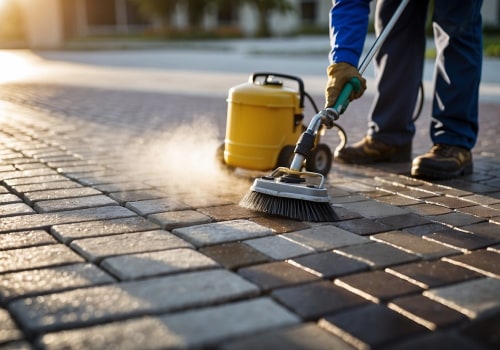
Paver maintenance is a crucial aspect of ensuring the longevity and aesthetic appeal of your outdoor spaces. Whether you have a driveway, patio, or walkway, the type of pavers you choose—be it concrete, brick, or natural stone—can significantly influence the maintenance practices required. Each material has its unique characteristics and vulnerabilities, making it essential to understand how to care for them properly. Sealing pavers is one of the most effective ways to protect your investment. It not only enhances the color and finish of the pavers but also provides a barrier against stains, moisture, and the growth of weeds.
However, the sealing process is not one-size-fits-all; different types of pavers require specific sealing techniques and products to achieve optimal results. For instance, while concrete pavers may benefit from a penetrating sealant that allows moisture to escape, natural stone pavers often require a more breathable sealant to prevent damage. Understanding these nuances in paver maintenance is vital for homeowners and property managers alike. By taking the time to learn about the specific needs of your pavers, you can ensure they remain in excellent condition for years to come. This section will delve deeper into the special considerations for sealing various types of pavers, helping you make informed decisions that enhance both functionality and beauty.
Types of Pavers and Their Characteristics
When it comes to paver maintenance, understanding the different types of pavers is crucial, as each type has unique characteristics that influence their care and sealing requirements.Concrete Pavers
Concrete pavers are known for their durability and versatility. They come in various shapes, sizes, and colors, making them a popular choice for driveways, patios, and walkways. One of the key maintenance considerations for concrete pavers is their porosity. While they are generally resistant to stains, unsealed concrete can absorb water and oils, leading to discoloration over time.Therefore, applying a high-quality sealant can help protect against these issues and enhance their appearance.
Brick Pavers
Brick pavers, made from fired clay, offer a classic aesthetic that complements many architectural styles. They are naturally porous, which means they can absorb moisture and stains if not properly sealed. Regular maintenance involves cleaning with a mild detergent and water to prevent moss or algae growth.Sealing brick pavers is essential to maintain their color and prevent efflorescence—a white powdery substance that can form on the surface due to moisture evaporation.
Natural Stone Pavers
Natural stone pavers, such as slate, granite, or limestone, provide a unique and elegant look but require specific care. Each type of stone has different levels of porosity and hardness, affecting how they should be sealed. For instance, softer stones like limestone may need more frequent sealing compared to harder stones like granite.Additionally, natural stone can be susceptible to staining from oils or acidic substances; thus, using a penetrating sealant is recommended to protect the surface while allowing the stone to breathe. In summary, understanding the characteristics of each type of paver—whether concrete, brick, or natural stone—is essential for effective paver maintenance. Proper sealing not only enhances the aesthetic appeal but also prolongs the lifespan of your paved surfaces.
The Importance of Sealing Pavers
Sealing pavers is an essential aspect of paver maintenance that offers numerous benefits, ensuring the longevity and aesthetic appeal of your outdoor surfaces. One of the primary reasons to seal pavers is to provide a protective barrier against stains.Whether it's oil spills, food residues, or organic materials like leaves and dirt, unsealed pavers are highly susceptible to staining. A quality sealant can prevent these substances from penetrating the surface, making cleanup easier and maintaining the paver's original look.In addition to stain protection, sealing pavers helps guard against weathering. Exposure to harsh elements such as rain, snow, and UV rays can cause significant damage over time. Sealing creates a waterproof layer that minimizes water absorption, reducing the risk of cracking and erosion caused by freeze-thaw cycles.
This is particularly important in regions with extreme weather conditions.Another significant benefit of sealing pavers is the enhancement of their appearance. A good sealant can bring out the natural colors and textures of the pavers, giving them a fresh and vibrant look. This is especially true for natural stone and brick pavers, which can fade over time without proper care. By sealing these surfaces, homeowners can ensure that their outdoor spaces remain visually appealing.Moreover, sealing pavers can help prevent the growth of weeds and moss between joints.
Many sealants contain additives that inhibit plant growth, making it easier to maintain a clean and tidy appearance without frequent weeding.In summary, sealing pavers is not just about aesthetics; it plays a crucial role in protecting your investment. By investing in regular sealing as part of your paver maintenance routine, you can extend the life of your pavers while enhancing their beauty and functionality.
Sealing Concrete Pavers: Best Practices
When it comes to sealing concrete pavers, proper preparation and application techniques are crucial for achieving long-lasting results. Here are some best practices to consider:Preparation Steps
- Clean the Surface: Before applying any sealer, ensure that the pavers are thoroughly cleaned. Use a pressure washer to remove dirt, grime, and any existing sealant residue.
Allow the surface to dry completely.
- Repair Damages: Inspect the pavers for any cracks or chips. Repair these imperfections with a suitable concrete patching compound to ensure a smooth surface for sealing.
- Check for Weeds: Remove any weeds or grass growing between the pavers, as these can compromise the sealant's effectiveness.
Application Techniques
Once the surface is prepared, follow these application techniques for optimal results:- Select the Right Sealer: Choose a high-quality sealer specifically designed for concrete pavers. Options include penetrating sealers that protect against moisture and stains, or topical sealers that provide a glossy finish.
- Apply Evenly: Use a roller or sprayer to apply the sealer evenly across the surface. Avoid puddling by working in small sections and spreading the product uniformly.
- Follow Manufacturer Instructions: Always adhere to the manufacturer's guidelines regarding drying times and application rates to ensure maximum effectiveness.
Post-Application Care
After sealing, allow the pavers to cure as recommended.During this time, avoid heavy foot traffic and refrain from washing the area. Regular concrete paver maintenance, including periodic resealing every 1-3 years depending on exposure and wear, will help maintain their appearance and durability.
Sealing Brick Pavers: Key Considerations
When it comes to sealing brick pavers, there are several key considerations that homeowners and property managers should keep in mind to ensure effective brick paver maintenance. Brick pavers are not only aesthetically pleasing but also durable; however, they require specific care to maintain their appearance and longevity.One of the primary challenges with sealing brick pavers is the occurrence of efflorescence, a white, powdery substance that can appear on the surface due to moisture and soluble salts. Before applying any sealant, it is crucial to address this issue:- Clean the Surface: Use a pressure washer or a stiff brush with a suitable cleaning solution to remove efflorescence.
- Drying Time: Allow the pavers to dry completely before sealing, as moisture can trap salts beneath the sealant.
There are two main types of sealants:
- Film-forming Sealants: These create a protective layer on the surface, enhancing color and providing a glossy finish. However, they may require more frequent reapplication and can trap moisture if not applied correctly.
- Penetrating Sealants: These soak into the brick, offering protection without altering the appearance significantly. They are often preferred for their durability and lower maintenance needs.
- Application Conditions: Seal on a dry day with temperatures between 50°F and 90°F for best adhesion.
- Test First: Always perform a small test area to see how the sealant affects the color and texture of your brick pavers.
- Regular Maintenance: Inspect your sealed pavers annually for signs of wear or damage, and reapply sealant as needed to maintain protection.
Sealing Natural Stone Pavers: What to Know
When it comes to sealing natural stone pavers, there are several important considerations to keep in mind to ensure effective natural stone maintenance. Natural stones, such as granite, limestone, and slate, each have unique properties that can affect how they should be sealed.Types of Natural Stones
- Granite: Known for its durability and low porosity, granite typically requires a penetrating sealer that enhances its natural color without altering its texture.
- Limestone: More porous than granite, limestone is susceptible to staining and requires a high-quality sealer that can protect against moisture and oil.
- Slate: This stone can vary in porosity; therefore, it’s essential to test a small area before applying a sealer to ensure compatibility.
Porosity Issues
The porosity of natural stone pavers plays a crucial role in the sealing process.
Highly porous stones absorb water and stains more readily, making them more vulnerable to damage. Before sealing, it’s advisable to conduct a water test: sprinkle water on the surface and observe how quickly it absorbs. If the water soaks in within minutes, a penetrating sealer is necessary.
Importance of Specialized Sealers
Using a specialized sealer designed for natural stone is vital. These sealers not only protect against stains but also allow the stone to breathe, preventing moisture buildup that can lead to mold or mildew.
Always choose a sealer that is compatible with the specific type of stone you are working with.In conclusion, proper sealing of natural stone pavers is essential for maintaining their beauty and longevity. By understanding the unique characteristics of different stones and using the right products, you can ensure your pavers remain in excellent condition for years to come.
Common Mistakes in Paver Sealing and How to Avoid Them
Sealing pavers is an essential part of paver maintenance, but many homeowners make common mistakes that can lead to ineffective results. Understanding these pitfalls can help you achieve a long-lasting and aesthetically pleasing surface.- Skipping Surface Preparation: One of the most significant errors is neglecting to properly clean and prepare the surface before sealing. Dirt, debris, and old sealant residues can prevent the new sealant from adhering correctly.
Always pressure wash your pavers and allow them to dry completely before applying any sealant.
- Choosing the Wrong Sealant: Different types of pavers require specific sealants. For instance, natural stone pavers often need a penetrating sealant, while concrete pavers may benefit from a film-forming sealant. Research the best products for your specific paver type to avoid damage and ensure optimal protection.
- Applying Sealant in Poor Weather Conditions: Sealing pavers during rain or extreme heat can lead to poor adhesion and uneven finishes. Always check the weather forecast and aim for a mild, dry day to apply your sealant.
- Over-Application of Sealant: Applying too much sealant can create a sticky surface that attracts dirt and debris.
Follow the manufacturer’s instructions regarding application rates and techniques to avoid this issue.
- Neglecting Regular Maintenance: After sealing, some homeowners forget about ongoing maintenance. Regularly inspect your pavers for signs of wear or damage, and reapply sealant as needed to maintain their protective layer.
FAQs About Paver Maintenance and Sealing
When it comes to paver maintenance, many homeowners have questions about the best practices for sealing different types of pavers. Here are some frequently asked questions that can help clarify the process:What types of pavers require sealing?
- Concrete pavers: These are often sealed to enhance their color and protect against stains and moisture.
- Brick pavers: Sealing brick pavers helps prevent efflorescence and protects against water damage.
- Natural stone pavers: Sealing is crucial for natural stone to prevent staining and maintain its appearance.
How often should I seal my pavers?
The frequency of sealing depends on the type of paver and the environmental conditions.Generally, it is recommended to seal:
- Concrete pavers every 2-3 years.
- Brick pavers every 3-5 years.
- Natural stone pavers every 1-3 years, depending on exposure to elements.
Can I seal my pavers myself?
Yes, sealing pavers can be a DIY project if you have the right tools and materials. However, it’s important to follow the manufacturer’s instructions carefully. For best results, consider:- Cleaning the surface thoroughly before application.
- Choosing a high-quality sealer suitable for your specific type of paver.
- Applying the sealer on a dry day to ensure proper adhesion.
What are the benefits of sealing pavers?
Sealing your pavers offers several advantages:- Protection: It shields against stains, moisture, and UV damage.
- Aesthetic enhancement: Sealing can enhance the color and finish of your pavers.
- Easier maintenance: Sealed surfaces are easier to clean and maintain over time.
Conclusion: Key Takeaways on Paver Maintenance and Sealing
In summary, understanding the unique characteristics of different types of pavers is crucial for effective paver maintenance and sealing. Each material—whether it be concrete, brick, or natural stone—has its own set of requirements that must be considered to ensure longevity and aesthetic appeal.Key Takeaways:- Concrete Pavers: These are generally more porous and may require a penetrating sealer to prevent moisture infiltration.
Regular cleaning and sealing every 2-3 years can help maintain their appearance.
- Brick Pavers: Brick is often more durable but can be susceptible to efflorescence. A breathable sealer is recommended to allow moisture to escape while protecting against stains. Sealing should be done every 3-5 years.
- Natural Stone Pavers: These require special attention due to their varying porosity and susceptibility to staining. A high-quality, penetrating sealer is essential, and maintenance should be performed annually to keep them looking their best.
This not only enhances the beauty of outdoor spaces but also extends the lifespan of the pavers, ultimately saving time and money in the long run. In conclusion, investing time in understanding paver maintenance will yield significant benefits, ensuring that your outdoor surfaces remain attractive and functional for years to come.