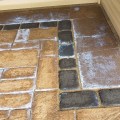
Maintaining the integrity and appearance of your pavers is essential for both aesthetic appeal and structural stability. Over time, various factors can compromise the condition of your pavers, with pest infestations being one of the more insidious threats. Among these pests, ant hills can be particularly troublesome, as they not only disrupt the surface but can also lead to further damage beneath the paver layer. Understanding paver maintenance involves recognizing how environmental factors and pest activity can impact your outdoor spaces. Ants, for instance, create extensive underground networks that can erode the soil beneath your pavers, leading to uneven surfaces and potential cracking.
This not only detracts from the visual appeal of your hardscaping but can also pose safety hazards for those walking on or near the affected areas. Effective paver care goes beyond simple cleaning; it requires a proactive approach to identify and address pest issues before they escalate. By understanding the relationship between paver maintenance and pest control, homeowners can implement strategies that protect their investments while ensuring their outdoor spaces remain inviting and safe. In the following sections, we will explore practical methods for removing ant hills and other pest infestations from pavers, ensuring that your hardscaping remains in top condition.
Identifying Ant Hills and Other Pest Infestations
Identifying ant hills and other pest infestations in paver areas is essential for effective paver maintenance. Early detection can prevent extensive damage and make removal easier.Here are some key signs to look for:
- Ant Hills: Look for small mounds of soil, typically found in clusters. These are often the entrances to ant colonies.
- Visible Trails: Ants create visible paths as they travel to and from food sources. If you notice a line of ants moving consistently, it indicates an active infestation.
- Damage to Pavers: Check for cracks or shifting in your pavers. This can be a sign that pests are burrowing underneath, compromising the stability of the surface.
- Other Pests: Besides ants, keep an eye out for signs of other pests such as termites or beetles.
Look for small holes in the pavers or wood structures nearby.
- Visual Inspection: Regularly inspect your paver areas, especially after heavy rains or during warm weather when pests are most active.
- Use of Bait Traps: Place bait traps around suspected areas. If they attract ants or other pests, it confirms an infestation.
Why Ant Hills Form in Paver Areas
Understanding why ant hills form in paver areas is crucial for effective paver maintenance and preventing future infestations. Ants are social insects that build their colonies in environments that provide them with the necessary resources for survival, including food, moisture, and shelter.Environmental Factors
- Paver Surfaces: The gaps between pavers can create ideal conditions for ants to excavate and establish their nests. These spaces offer protection from predators and harsh weather.
- Moisture: Ants are attracted to areas with adequate moisture.
Pavers that retain water due to poor drainage or nearby irrigation can become hotspots for ant activity.
- Temperature: Paved areas often absorb heat from the sun, creating a warm microclimate that is appealing to ants, especially during cooler months.
Food Sources
- Organic Matter: Ants are scavengers and will seek out food sources such as decaying leaves, plant material, or even pet food that may accumulate in the cracks of pavers.
- Sugary Substances: Spills from outdoor dining or sugary residues can attract ants, leading them to establish colonies nearby.
- Pest Infestations: The presence of other pests, such as aphids or termites, can also draw ants to paver areas as they farm these pests for honeydew or other nutrients.
Effective Methods for Removing Ant Hills from Pavers
Removing ant hills from pavers can be a challenging task, but with the right methods, you can effectively eliminate these pests and maintain the integrity of your outdoor space. Here are some effective techniques for ant hill removal.Natural Methods
- Boiling Water: One of the simplest and most effective methods is to pour boiling water directly onto the ant hill. This method kills ants on contact and can help collapse the structure of the hill.
- Diatomaceous Earth: Sprinkling food-grade diatomaceous earth around the ant hill can deter ants.
This natural powder damages their exoskeletons, leading to dehydration and death.
- Vinegar Solution: A mixture of equal parts vinegar and water can be sprayed on the ant hill. The acidity disrupts their pheromone trails and can kill ants on contact.
Chemical Solutions
- Insecticidal Baits: Using bait stations that contain insecticides can be effective. Ants take the bait back to their colony, which helps eliminate the entire population.
- Granular Insecticides: Applying granular insecticides specifically designed for ants can provide a more targeted approach. Follow the manufacturer's instructions for application rates and safety precautions.
If you notice any remaining activity, repeat your chosen method or consider combining different approaches for better results. Additionally, maintaining your pavers through regular cleaning and sealing can help prevent future infestations by eliminating potential nesting sites.By employing these pest control strategies, you can effectively manage ant hills and ensure your pavers remain a beautiful and functional part of your landscape.
Preventing Future Pest Infestations in Paver Areas
To effectively prevent pest infestations in areas with pavers, it is crucial to adopt a proactive approach that combines regular maintenance with environmental management. By implementing these strategies, you can create an inhospitable environment for pests while ensuring the longevity and aesthetic appeal of your paver surfaces.- Regular Cleaning: Keeping your pavers clean is essential. Regularly sweep away debris, leaves, and organic matter that can attract pests.
A thorough wash with a pressure washer can also help remove dirt and grime that may harbor insects.
- Sealant Application: Applying a high-quality sealant to your pavers not only enhances their appearance but also provides a protective barrier against moisture and pests. This sealant can deter ants and other insects from establishing colonies in the joints of your pavers.
- Weed Control: Weeds can provide shelter for pests. Regularly inspect your paver areas for weeds and remove them promptly. Consider using mulch or ground cover plants that are less attractive to pests.
- Moisture Management: Pests thrive in damp environments.
Ensure proper drainage around your paver areas to prevent water accumulation. If you notice standing water, address the drainage issues immediately.
- Natural Deterrents: Utilize natural pest deterrents such as diatomaceous earth or essential oils like peppermint or tea tree oil. These can be sprinkled around the perimeter of your paver areas to repel unwanted insects.
FAQs About Ant Hills and Pest Control on Pavers
Homeowners often have questions about managing ant hills and other pest infestations on pavers.Here are some frequently asked questions that can help you tackle these issues effectively.
What attracts ants to pavers?
Ants are typically drawn to pavers due to the availability of food sources, moisture, and shelter. Cracks and crevices in the pavers can provide ideal nesting sites. Keeping your outdoor area clean and free of food debris can help deter these pests.How can I safely remove ant hills from my pavers?
To remove ant hills, you can use a combination of natural remedies and physical removal:- Boiling water: Pouring boiling water directly onto the ant hill can kill ants on contact and disrupt their nest.
- Diatomaceous earth: Sprinkling food-grade diatomaceous earth around the ant hill can dehydrate and kill ants without harming your pavers.
- Vinegar solution: A mixture of equal parts vinegar and water can be sprayed on the ant hill to repel ants.
What are common pest issues with pavers?
Aside from ants, homeowners may encounter various pests on their pavers, including:- Weeds: Weeds can grow in the joints of pavers, competing for nutrients and moisture.
- Termites: These wood-destroying insects may be attracted to wooden structures near paver areas.
- Spiders: Paved areas can provide hiding spots for spiders, which may become a nuisance.
How can I prevent pest infestations on my pavers?
Preventive measures are key to maintaining a pest-free environment:- Regular cleaning: Sweep away debris and leaves that can attract pests.
- Sealant application: Applying a sealant to your pavers can help prevent moisture accumulation and deter pests.
- Lawn maintenance: Keep grass trimmed and shrubs pruned to reduce hiding spots for pests.
Conclusion: Maintaining Pavers for a Pest-Free Environment
In conclusion, maintaining pavers is essential not only for aesthetic appeal but also for creating a pest-free environment. Regular upkeep can significantly reduce the likelihood of pest infestations, including ant hills and other unwanted critters that may disrupt your outdoor space. To effectively manage pests, it is crucial to implement a combination of preventive measures and responsive actions:- Regular Cleaning: Keeping your pavers clean by sweeping away debris and organic matter can deter pests from establishing nests.
- Sealing Pavers: Applying a high-quality sealant can protect the surface of your pavers, making it less hospitable for pests.
- Weed Control: Weeds can provide shelter for pests; therefore, regular weeding is necessary to maintain a clean and pest-resistant area.
- Moisture Management: Ensure proper drainage around your pavers to prevent water accumulation, which attracts pests.
By prioritizing paver maintenance, you not only enhance the longevity of your outdoor surfaces but also create a healthier and more enjoyable space for family and friends. Ultimately, a proactive approach to maintaining your pavers will yield long-term benefits, ensuring that your outdoor areas remain beautiful and free from pest infestations.