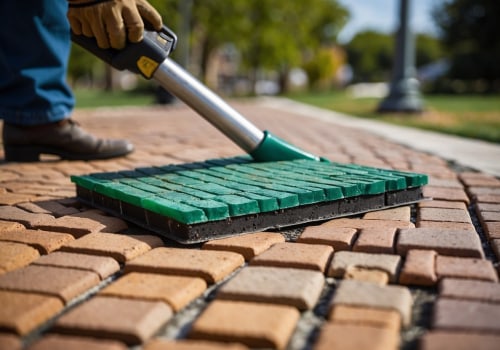
Paver maintenance is a crucial aspect of ensuring that your outdoor spaces remain not only functional but also visually appealing. Over time, pavers can become dull and discolored due to exposure to the elements, heavy foot traffic, and the accumulation of dirt and debris. Understanding the importance of paver care is essential for homeowners who wish to preserve the aesthetic and structural integrity of their hardscapes. Regular maintenance can significantly extend the lifespan of your pavers while enhancing their color and overall appearance. This involves a combination of cleaning, sealing, and repairing any damaged areas.
By investing time in paver maintenance, you can prevent issues such as weed growth, staining, and erosion, which can detract from the beauty of your outdoor spaces. Moreover, proper care can lead to noticeable changes in the color of your pavers. While some may wonder if it's possible to change the color of pavers through maintenance or repair methods, the reality is that with the right techniques and products, you can rejuvenate faded pavers and restore their original vibrancy. This section will delve deeper into how effective maintenance practices not only preserve but can also enhance the color of your pavers, setting the stage for a more detailed exploration of specific methods and their outcomes.
Factors Affecting Paver Color
The color of pavers can be influenced by a variety of factors, making it essential to understand these elements for effective paver maintenance. Below are some key factors that contribute to changes in paver color:- Environmental Conditions: Exposure to harsh weather conditions such as intense sunlight, heavy rain, and snow can lead to fading or discoloration.
UV rays from the sun can break down the pigments in pavers, causing them to lose their vibrancy over time.
- Wear and Tear: Regular foot traffic, vehicle movement, and other forms of physical stress can wear down the surface of pavers. This wear can expose underlying layers or materials that may differ in color from the surface layer, leading to a patchy appearance.
- Material Composition: The type of materials used in paver production plays a significant role in color retention. For instance, concrete pavers may be more susceptible to staining and fading compared to clay or natural stone pavers. Additionally, the quality of pigments used during manufacturing can affect how well the color holds up over time.
- Staining Agents: Various substances such as oil, grease, and organic matter can stain pavers, altering their appearance.
Regular cleaning and sealing can help mitigate these effects and preserve the original color.
- Algae and Mold Growth: In damp environments, algae and mold can thrive on paver surfaces, leading to discoloration. This not only affects aesthetics but can also create slippery surfaces that pose safety risks.
Maintenance Techniques to Preserve Paver Color
Maintaining the vibrant color of your pavers is essential for enhancing the overall aesthetic of your outdoor space.Here are some effective paver maintenance techniques that can help preserve or even enhance the color of your pavers.
Paver Cleaning Methods
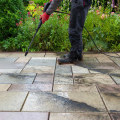
Regular cleaning is crucial in preventing dirt, algae, and stains from dulling the color of your pavers. Here are some recommended cleaning methods:- Pressure Washing: Using a pressure washer can effectively remove stubborn stains and debris. Ensure you use a fan tip nozzle and maintain a safe distance to avoid damaging the pavers.
- Soap and Water: For routine maintenance, a mixture of mild soap and water can be used with a stiff-bristled brush. This method is gentle yet effective for regular upkeep.
- Specialized Cleaners: For specific stains like oil or rust, consider using specialized paver cleaners that are designed to target these issues without harming the surface.
Sealing Pavers
Applying a sealant is one of the most effective ways to protect your pavers and maintain their color.A good sealant acts as a barrier against moisture, stains, and UV rays. Here’s how to go about it:
- Choose the Right Sealant: There are various types of sealants available, including penetrating sealers and film-forming sealers. Penetrating sealers are ideal for natural stone pavers, while film-forming sealers provide a glossy finish.
- Application Timing: Seal your pavers after they have been thoroughly cleaned and allowed to dry completely. This ensures maximum adhesion and effectiveness.
- Reapplication Frequency: Depending on the type of sealant used and environmental conditions, reapply every 1-3 years to maintain optimal protection.
Regular Maintenance Tips
In addition to cleaning and sealing, implementing regular maintenance practices can significantly extend the life and color of your pavers:- Weed Control: Regularly check for weeds growing between pavers.
Use a weed killer or pull them out manually to prevent discoloration.
- Prompt Stain Removal: Address spills immediately to prevent staining. Blot rather than scrub to avoid damaging the surface.
- Inspect for Damage: Regularly inspect your pavers for cracks or shifting. Addressing these issues promptly can prevent further damage that may affect color.
Repair Methods That Can Change Paver Color
When it comes to paver maintenance, understanding the various repair methods that can influence the color of your pavers is essential. Several techniques can be employed to not only restore functionality but also enhance the aesthetic appeal of your outdoor spaces.- Patching: This method involves filling in cracks or damaged areas with a compatible material.
Depending on the type of patching compound used, it can either blend seamlessly with the existing pavers or create a contrasting effect. For instance, using a lighter-colored patching material can brighten up a dull area, effectively changing the overall appearance.
- Replacing Pavers: If certain pavers are significantly faded or stained, replacing them with new ones can dramatically alter the color scheme of your patio or walkway. When selecting replacement pavers, consider choosing shades that complement or contrast with the existing ones to achieve a desired look.
- Sealing: Applying a sealant can enhance the color of pavers by adding a glossy finish that reflects light. Some sealants are tinted, allowing for a more pronounced color change.
Regular sealing as part of your paver maintenance routine can help maintain this enhanced appearance over time.
- Cleaning: Sometimes, all it takes to revive the color of your pavers is a thorough cleaning. Using pressure washing or specialized cleaning solutions can remove dirt, algae, and stains that dull their appearance. This method is often overlooked but can yield significant results.
Using Stains and Dyes for Color Change
Changing the color of pavers can be an effective way to enhance the aesthetic appeal of your outdoor spaces.One of the most popular methods for achieving this is through the use of stains and dyes. These products not only allow for a color transformation but also provide a protective layer that can extend the life of your pavers.
Paver Stains
- Water-based stains: These are easy to apply and clean up, making them a user-friendly option for DIY enthusiasts. They penetrate the surface of the paver, providing a natural look while enhancing the existing color.
- Solvent-based stains: These offer a more durable finish and are ideal for high-traffic areas. They tend to be more resistant to fading and wear, making them suitable for outdoor applications.
Dyeing Pavers
Dyeing is another method that can yield vibrant results.
Unlike stains, dyes penetrate deeper into the paver material, allowing for a more intense color change. Here are some key points to consider:
- Color selection: Dyes come in a wide range of colors, enabling you to achieve exactly the shade you desire.
- Application technique: Dyes can be applied using a sprayer or brush. It’s essential to follow the manufacturer’s instructions for optimal results.
- Sealing after dyeing: To protect the new color and enhance durability, applying a sealant after dyeing is highly recommended.
Color Enhancement Products
In addition to stains and dyes, there are various color enhancement products available that can help maintain or improve the appearance of your pavers:
- Sealants with color enhancers: These products not only protect your pavers but also enhance their natural colors, giving them a richer look.
- Concrete color hardeners: If you’re working with new pavers, consider using color hardeners during installation for a uniform color throughout.
FAQs About Paver Maintenance and Color Change
When it comes to paver maintenance, many homeowners have questions about the potential for changing the color of their pavers.Here are some frequently asked questions that can help clarify this topic.
Can you change paver color?
Yes, it is possible to change the color of pavers, but the methods and effectiveness can vary. One common approach is to use a paver sealer that contains pigments. This can enhance or alter the existing color of the pavers while providing protection against stains and UV damage. However, it's important to note that this method may not produce a dramatic change in color.What are the best methods for maintaining pavers?
- Regular Cleaning: Sweep away debris and use a pressure washer to remove dirt and stains.
- Sealing: Apply a high-quality sealer every few years to protect against fading and staining.
- Weed Control: Regularly check for weeds in the joints and remove them promptly to prevent damage.
- Joint Sand Replacement: Replenish joint sand as needed to maintain stability and prevent shifting.
How does weather affect paver color?
The color of pavers can fade over time due to exposure to harsh weather conditions, particularly sunlight and rain.UV rays can break down pigments, leading to a washed-out appearance. Regular maintenance, including sealing, can help mitigate these effects and preserve the original color.In summary, while changing the color of pavers is feasible through various maintenance methods, it requires careful consideration of the techniques used. Regular upkeep not only enhances aesthetics but also prolongs the lifespan of your pavers.
Conclusion: The Possibility of Changing Paver Color Through Maintenance
In conclusion, while it is indeed possible to change the color of pavers through various maintenance and repair methods, achieving lasting results requires a commitment to paver maintenance. The techniques discussed, such as cleaning, sealing, and staining, can effectively enhance or alter the appearance of your pavers.However, these methods are not one-time solutions; they necessitate ongoing care to maintain the desired color and finish.Regular cleaning is essential to prevent dirt and grime from dulling the surface. Using appropriate cleaning agents can help restore the original vibrancy of the pavers. Additionally, applying a high-quality sealant not only protects against stains but also enhances color retention. This protective layer acts as a barrier against UV rays and weathering, which can fade colors over time.For those looking to make a more dramatic change, staining offers a versatile option.
It allows homeowners to customize their outdoor spaces with a range of colors. However, it’s crucial to follow up with proper maintenance after staining to ensure longevity. This includes periodic resealing and avoiding harsh chemicals that could strip the stain.Ultimately, the key takeaway is that while changing the color of pavers is achievable, it hinges on consistent maintenance. By investing time and effort into regular upkeep, you can enjoy vibrant and attractive pavers for years to come.
Embracing a proactive approach to paver maintenance not only enhances aesthetic appeal but also extends the lifespan of your hardscaping investments.