Paver maintenance is an essential aspect of home and landscape care that often goes overlooked. These durable surfaces, whether used for driveways, patios, or walkways, can significantly enhance the aesthetic appeal of your property. However, without proper care, they can quickly become marred by unsightly stains and deterioration. Understanding the importance of paver maintenance is crucial for homeowners who wish to preserve the beauty and functionality of their outdoor spaces. Regular maintenance not only prolongs the life of your pavers but also helps maintain their original color and texture.
Over time, elements such as oil spills, rust from metal furniture, and food stains can accumulate, leading to a dull appearance that detracts from your landscape's overall charm. By implementing effective cleaning techniques and routine upkeep, you can prevent these issues from becoming permanent fixtures on your pavers. The benefits of maintaining pavers extend beyond aesthetics; they also contribute to safety. A well-maintained surface reduces the risk of slips and falls caused by moss or algae growth in damp areas. Additionally, regular cleaning can prevent weed growth between pavers, which can compromise their structural integrity.
In the following sections, we will explore specific cleaning techniques tailored to tackle various types of stains, ensuring your pavers remain a stunning feature of your home for years to come.
Common Types of Stains on Pavers
Pavers are a popular choice for outdoor surfaces due to their durability and aesthetic appeal. However, they are not immune to stains, which can detract from their appearance and longevity. Understanding the common types of stains that affect pavers is essential for effective paver maintenance.- Oil Stains: One of the most challenging stains to remove, oil stains often come from vehicles, grills, or outdoor machinery. These stains can penetrate the surface of the paver, making them particularly stubborn.
If left untreated, oil can attract dirt and grime, leading to further discoloration.
- Rust Stains: Rust stains typically occur when metal objects, such as furniture or tools, are left on pavers for extended periods. The oxidation process can leave unsightly reddish-brown marks that are not only unattractive but can also indicate potential damage to the paver surface.
- Food Stains: Spills from barbecues or outdoor dining can lead to food stains on pavers. Common culprits include sauces, beverages, and grease. These stains can vary in severity depending on the type of food and how quickly they are cleaned up.
For instance, oil stains may require a degreaser or absorbent material to lift the stain, while rust stains might need a specialized rust remover. Food stains often respond well to a mixture of soap and water if addressed promptly.By understanding the types of stains that can affect your pavers, you can take proactive measures in your paver maintenance routine to keep your outdoor spaces looking pristine.
General Cleaning Techniques for Pavers
Maintaining the appearance and integrity of your pavers is essential for enhancing your outdoor spaces. Regular cleaning not only improves aesthetics but also prolongs the lifespan of the pavers. Here are some general cleaning techniques that can be applied to various types of stains.- Regular Sweeping: Start with a simple yet effective method—sweeping.
Use a broom to remove dirt, leaves, and debris from the surface of your pavers. This prevents buildup and makes deeper cleaning easier.
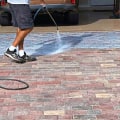
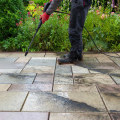
- Pressure Washing: For a more thorough clean, consider using a pressure washer. This technique is particularly effective for removing stubborn dirt and grime. Aim for a pressure setting that is safe for your pavers to avoid damage.
- Mild Detergents: When dealing with tougher stains, a solution of mild detergent mixed with water can be beneficial.
Apply the solution using a soft-bristle brush, scrubbing gently to lift stains without scratching the surface.
Removing Oil Stains from Pavers
Removing oil stains from pavers can be a challenging task, but with the right techniques and products, you can restore your outdoor surfaces to their original condition. Here are some effective methods to tackle those stubborn stains.Step-by-Step Cleaning Process
- Blot the Stain: Start by using paper towels or an absorbent cloth to blot up any excess oil.
Avoid rubbing, as this can spread the stain further.
- Apply a Cleaning Agent: Choose a suitable cleaning agent. You can use commercial degreasers specifically designed for pavers or opt for DIY solutions like baking soda or cornstarch. Sprinkle the chosen product generously over the stain.
- Let it Sit: Allow the cleaning agent to sit for at least 30 minutes. This will give it time to absorb the oil.
- Scrub the Area: Using a stiff-bristled brush, scrub the stained area in circular motions.
This helps lift the oil from the paver surface.
- Rinse Thoroughly: After scrubbing, rinse the area with water. A pressure washer can be particularly effective for this step, as it helps remove any remaining residue.
- Repeat if Necessary: For tough stains, you may need to repeat the process until the stain is completely gone.
Recommended Products
If you prefer commercial products, look for those that are specifically formulated for oil stain removal. Some popular options include:- Zep Heavy-Duty Citrus Degreaser: Known for its powerful formula that cuts through grease and oil effectively.
- Dawn Dish Soap: A simple yet effective solution when mixed with warm water for light oil stains.
- Paver Cleaner Concentrate: Designed specifically for pavers, this product not only cleans but also protects your surfaces.
Eliminating Rust Stains from Pavers
Rust stains on pavers can be unsightly and challenging to remove, but with the right techniques and products, you can restore your outdoor surfaces to their original beauty. Here are some effective methods for removing rust stains from pavers.Chemical Solutions
For stubborn rust stains, chemical rust removers can be highly effective.Look for products that contain oxalic acid or phosphoric acid, as these are specifically designed to tackle rust. Always follow the manufacturer's instructions for application:
- Preparation: Clear the area of debris and wet the paver surface with water.
- Application: Apply the rust remover directly onto the stain using a brush or sponge.
- Wait: Allow the product to sit for the recommended time, usually around 10-15 minutes.
- Scrub: Gently scrub the area with a stiff-bristle brush to lift the stain.
- Rinse: Thoroughly rinse the area with water to remove any chemical residue.
Natural Remedies
If you prefer a more eco-friendly approach, several natural remedies can also help eliminate rust stains:- Baking Soda Paste: Mix baking soda with water to form a thick paste. Apply it to the stain, let it sit for 30 minutes, then scrub and rinse.
- Lemon Juice and Salt: Sprinkle salt over the rust stain and squeeze fresh lemon juice on top. Let it sit for a few hours before scrubbing and rinsing.
Safety Precautions
When using harsh chemicals, always prioritize safety:- Wear gloves and protective eyewear to prevent skin and eye irritation.
- Work in a well-ventilated area, especially when using strong chemical solutions.
- Test a small area first to ensure that the product does not damage your pavers.
Cleaning Food Stains from Pavers
Food stains on pavers can be unsightly and, if not addressed promptly, may become more difficult to remove.Here are some effective cleaning techniques to help you tackle these stains efficiently.
Immediate Actions After a Spill
- Act Quickly: The sooner you address a food spill, the better your chances of removing the stain. Blot the area with a clean cloth or paper towel to absorb excess liquid.
- Avoid Rubbing: Rubbing can spread the stain further. Instead, gently dab the area.
Cleaning Solutions for Different Food Stains
- Grease and Oil Stains: For greasy food spills, sprinkle baking soda or cornstarch over the stain to absorb the oil. Let it sit for 15-20 minutes before sweeping it away.
Follow up with a mixture of warm water and dish soap, scrubbing gently with a soft brush.
- Tomato Sauce and Ketchup: These acidic stains can be tackled with a solution of equal parts white vinegar and water. Apply it to the stain, let it sit for 10 minutes, then scrub with a brush and rinse thoroughly.
- Wine and Juice Stains: Blot the area immediately and then use a mixture of hydrogen peroxide and dish soap (in equal parts). Apply it to the stain, let it sit for about 30 minutes, then rinse with water.
- Food Particles: If food particles are stuck on your pavers, use a stiff-bristled brush to dislodge them. Follow up with a pressure washer for thorough cleaning.
Best Practices for Food Spills
- Regular Maintenance: Regularly clean your pavers to prevent stains from setting in.
A simple wash with soap and water can go a long way.
- Seal Your Pavers: Consider applying a sealant to your pavers after cleaning. This can help protect against future stains and make cleaning easier.
Preventive Measures for Stain Management
Maintaining the pristine appearance of your pavers is essential for enhancing the overall aesthetic of your outdoor space. Implementing preventive measures can significantly reduce the likelihood of stains and prolong the life of your pavers.Regular Cleaning
One of the most effective ways to prevent stains is through regular cleaning. Sweeping away debris, leaves, and dirt can help minimize the chances of stains developing.Additionally, using a pressure washer periodically can remove any built-up grime that may lead to discoloration.
Use of Protective Sealants
Applying a protective sealant is one of the best strategies for paver maintenance. Sealants create a barrier that protects pavers from oil, rust, and food stains. Here are some tips for using sealants:- Choose the Right Sealant: Select a sealant that is specifically designed for your type of pavers, whether they are concrete, brick, or natural stone.
- Application Timing: Apply sealant during dry weather to ensure proper adhesion and effectiveness.
- Reapplication Schedule: Depending on the product, reapply sealant every 1-3 years to maintain optimal protection.
Prompt Stain Treatment
If a stain does occur, addressing it promptly can prevent it from setting in. For example, blotting up spills immediately and using appropriate cleaners can make a significant difference.Always test any cleaning solution on a small area first to ensure it won’t damage the paver surface.By incorporating these maintenance tips, you can effectively manage and prevent stains on your pavers, ensuring they remain beautiful and functional for years to come.
Frequently Asked Questions about Paver Maintenance and Stain Removal
When it comes to paver maintenance, many homeowners have questions about how to effectively remove stains and keep their outdoor spaces looking pristine. Here are some frequently asked questions regarding stain removal and best practices for maintaining pavers.What are the best methods for removing oil stains from pavers?
Oil stains can be particularly stubborn, but there are effective techniques to tackle them:- Absorbent Materials: Start by sprinkling an absorbent material like cat litter or baking soda over the stain. Let it sit for several hours to soak up the oil.
- Dish Soap Solution: Mix warm water with a few drops of dish soap and scrub the area with a stiff brush. Rinse thoroughly afterward.
- Commercial Cleaners: If the stain persists, consider using a commercial degreaser specifically designed for pavers.
Follow the manufacturer's instructions for best results.
How can I remove rust stains from pavers?
Rust stains can be challenging, but here are some effective methods:- Citrus-Based Cleaners: Use a citrus-based cleaner or a mixture of lemon juice and baking soda to create a paste. Apply it to the rust stain and let it sit for 30 minutes before scrubbing.
- Oxalic Acid: For tougher rust stains, oxalic acid can be effective. Dilute it according to the instructions and apply it carefully, ensuring you wear gloves and protective eyewear.
What should I do about food stains on my pavers?
Food stains, such as those from barbecue spills or plant debris, can be removed with these steps:- Immediate Action: Clean up spills as soon as possible to prevent staining. Use a paper towel or cloth to blot the area.
- Warm Soapy Water: For dried food stains, scrub the area with warm soapy water and a brush.
Rinse well afterward.
Conclusion: Key Takeaways on Paver Maintenance and Stain Removal Techniques
In conclusion, maintaining the appearance and integrity of your pavers is essential for both aesthetic and functional reasons. Regular paver maintenance not only enhances the visual appeal of your outdoor spaces but also prolongs the lifespan of the pavers themselves.Here are some key takeaways regarding effective stain removal techniques:
- Identify the Stain Type: Understanding the nature of the stain—whether it’s oil, rust, or food—will guide you in selecting the appropriate cleaning method.
- Use Appropriate Cleaning Solutions: For oil stains, a mixture of dish soap and warm water can be effective, while rust stains may require a specialized rust remover or a vinegar solution. Food stains often respond well to a simple soap and water scrub.
- Regular Cleaning Schedule: Implementing a routine cleaning schedule can prevent stains from setting in. Regular sweeping and occasional deep cleaning will keep your pavers looking their best.
- Seal Your Pavers: Applying a sealant can provide an additional layer of protection against stains and weathering, making future clean-ups easier.
- Test Before Full Application: Always test any cleaning solution on a small, inconspicuous area before applying it to the entire stained surface to avoid damage.