As winter approaches, homeowners with paver driveways, patios, and walkways face unique challenges in maintaining the beauty and integrity of their outdoor spaces. The cold weather brings not only snow and ice but also the necessity for effective de-icing products to ensure safety and accessibility. However, the question arises: can these products harm your pavers? Understanding the implications of winter paver care is crucial for preserving your investment. Paver maintenance during the winter months requires a careful balance between safety and preservation. While it may be tempting to use common de-icing agents like salt, these substances can have detrimental effects on certain types of pavers.
Salt can lead to efflorescence, a white powdery substance that forms on the surface, and can also cause pavers to crack or become discolored over time. Therefore, it is essential to explore alternative methods for keeping your pavers safe and functional during harsh winter conditions. In this article, we will delve into the various aspects of paver maintenance in winter, examining how different de-icing products affect your outdoor surfaces. By understanding these factors, you can make informed decisions that not only protect your pavers but also enhance their longevity and aesthetic appeal. Join us as we navigate the complexities of winter paver care and discover effective strategies to maintain your outdoor spaces throughout the colder months.
The Role of Salt and De-Icing Products in Winter Maintenance
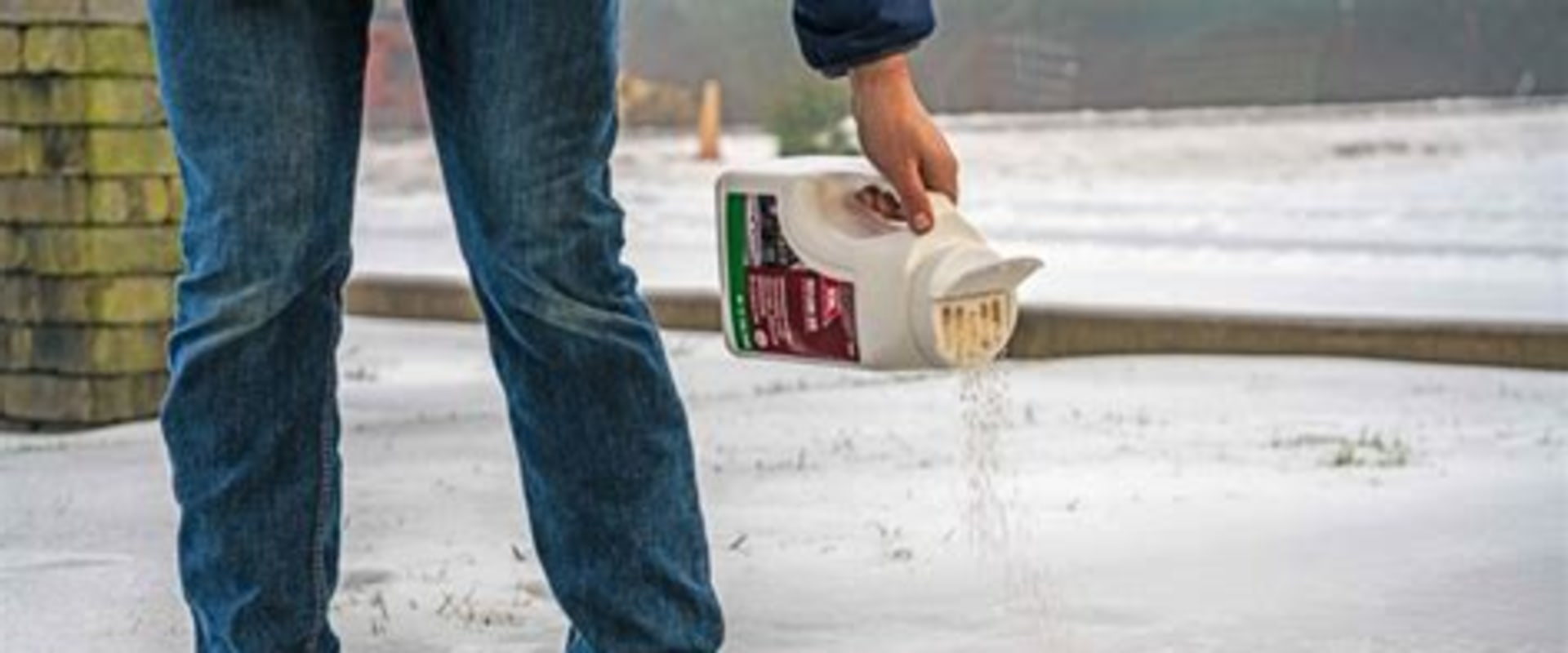
During the winter months, salt and de-icing products become essential tools for homeowners looking to maintain safe and accessible outdoor spaces.These substances are primarily used to melt ice and snow on driveways, walkways, and patios, ensuring that surfaces remain slip-resistant and navigable. However, while they are effective in preventing accidents, their impact on paver maintenance is a topic of concern.
Understanding Salt and De-Icing Products
- Rock Salt: The most common de-icing agent, rock salt (sodium chloride) is widely used due to its affordability and effectiveness at lower temperatures.
- Calcium Chloride: This product works at even lower temperatures than rock salt and is often preferred for its rapid melting capabilities.
- Magnesium Chloride: Known for being less corrosive than sodium chloride, magnesium chloride is a popular choice for those concerned about the effects on pavers.
- Potassium Chloride: This option is often marketed as a more environmentally friendly alternative, though it may be less effective in extreme cold.
The Impact on Pavers
While salt and de-icing products are effective in winter maintenance, they can lead to issues such as:
- Crumbling: Over time, the chemical composition of salt can break down the integrity of pavers, leading to cracks and crumbling edges.
- Staining: Some de-icing agents can leave unsightly stains on paver surfaces, detracting from their aesthetic appeal.
- Weed Growth: The moisture retained by melted snow can promote weed growth in the joints between pavers if not properly managed.
Options such as sand or environmentally friendly de-icers can provide safety without compromising the longevity of your hardscaping investments.
How Salt Affects Different Types of Pavers
When it comes to paver maintenance, understanding how salt affects different types of pavers is crucial for preserving their integrity and appearance. The three most common types of pavers are concrete, brick, and natural stone, each reacting differently to salt exposure.Concrete Pavers
Concrete pavers are popular for their durability and versatility. However, they are susceptible to damage from salt. The salt can penetrate the surface, leading to spalling, which is the flaking or chipping of the concrete.This occurs because the salt draws moisture into the paver, and when temperatures drop, the moisture freezes and expands, causing cracks.
Brick Pavers
Brick pavers, known for their aesthetic appeal, can also suffer from salt damage. The porous nature of brick allows salt to seep in, which can lead to efflorescence—a white, powdery substance that forms on the surface as moisture evaporates. Over time, this can weaken the bricks and cause them to crumble or lose their color.Natural Stone Pavers
Natural stone pavers, such as granite or limestone, are often chosen for their beauty and strength. However, they are not immune to salt damage.Salt can cause staining and discoloration on certain types of stone, particularly softer varieties like limestone. Additionally, the freeze-thaw cycle exacerbated by salt can lead to cracking and erosion of the stone surface.To mitigate these risks, it is essential to consider alternative de-icing products that are less harmful to your pavers. Regular maintenance practices such as sealing your pavers can also provide a protective barrier against salt damage.
The Science Behind Salt Damage to Pavers
Understanding the science behind salt damage to pavers is crucial for effective paver maintenance. When salt is applied to icy surfaces, it dissolves in water, creating a brine solution that can penetrate the porous surfaces of pavers.This process initiates a series of chemical reactions that can lead to significant deterioration over time.One of the primary mechanisms of damage is the freeze-thaw cycle. During winter months, when temperatures fluctuate, water that has seeped into the paver's surface can freeze and expand. As it thaws, the water contracts. This repeated expansion and contraction can create micro-cracks in the pavers, which may eventually lead to larger fractures.Additionally, the presence of salt can exacerbate this process.
When saltwater freezes, it forms ice at a lower temperature than pure water. This means that even when temperatures rise slightly, the salt-laden ice may remain solid longer than surrounding areas, prolonging the exposure of pavers to damaging conditions.Moreover, salt can chemically react with the minerals in concrete and stone pavers. This reaction can lead to a phenomenon known as efflorescence, where white powdery deposits form on the surface as salts migrate through the material. Over time, these deposits can not only mar the appearance of your pavers but also weaken their structural integrity.To mitigate these effects, consider using alternative de-icing products that are less harmful to your pavers.
Regular maintenance, such as sealing your pavers and promptly removing snow and ice, can also help protect against the damaging effects of salt.
Signs of Damage from Salt and De-Icing Products
Identifying damage from salt and de-icing products on your pavers is crucial for effective paver maintenance. Early detection can save you from costly repairs and prolong the life of your outdoor surfaces. Here are some common signs to look for:- White Residue: One of the most noticeable signs of salt damage is a white, chalky residue on the surface of the pavers. This occurs when salt crystallizes after melting snow or ice.
- Cracking: If you notice small cracks forming in your pavers, especially in areas frequently treated with de-icing products, this could indicate that the salt is causing structural damage.
- Discoloration: Salt can lead to discoloration, making pavers appear faded or stained.
This is particularly evident in darker-colored stones.
- Flaking or Spalling: Over time, exposure to salt can cause the surface of the pavers to flake or peel away, compromising their integrity.
- Regular Cleaning: Clean your pavers regularly to remove any salt residue. A simple wash with water can help prevent buildup.
- Sealant Application: Applying a high-quality sealant can create a protective barrier against salt and other harmful substances.
- Avoid Excessive Use of De-Icing Products: Use de-icing products sparingly and opt for alternatives that are less harmful to your pavers.
Preventive Measures for Paver Maintenance in Winter
Winter can be a challenging time for paver maintenance, especially when it comes to preventing damage from salt and de-icing products. Here are some effective preventive measures to help you protect your pavers during the colder months.- Choose the Right De-Icer: Instead of traditional rock salt, consider using alternative de-icers that are less harmful to pavers. Products containing calcium magnesium acetate or potassium chloride are gentler on surfaces and can effectively melt ice without causing damage.
- Limit Salt Usage: If you must use salt, apply it sparingly.
Over-application can lead to residue buildup, which may stain or erode the surface of your pavers over time.
- Regular Cleaning: After winter storms, promptly remove any leftover de-icing materials. Use a broom or a leaf blower to clear away debris and prevent chemical buildup that can harm your pavers.
- Seal Your Pavers: Applying a high-quality sealant before winter can create a protective barrier against moisture and de-icing chemicals. This not only helps in preventing damage but also enhances the overall appearance of your pavers.
- Inspect for Damage: Regularly check your pavers for cracks or signs of wear. Early detection allows for timely repairs, which can prevent further damage during freeze-thaw cycles.
Taking proactive steps will ensure that your pavers remain in excellent condition throughout the winter season and beyond.
Alternative Solutions to Salt for De-Icing Pavers
As winter approaches, many homeowners seek effective ways to keep their pavers safe and accessible. While traditional salt and de-icing products are commonly used, they can cause significant damage to paver surfaces over time. Fortunately, there are several eco-friendly alternatives that can help maintain the integrity of your pavers while ensuring safety during icy conditions.- Sand: A simple yet effective solution, sand provides traction on icy surfaces without the corrosive effects of salt. It can be easily swept away once the ice melts, making it a clean option for paver maintenance.
- Calcium Magnesium Acetate (CMA): This biodegradable de-icer is less harmful to concrete and pavers compared to traditional salt.
CMA works by lowering the freezing point of water and is effective in preventing ice formation.
- Beet Juice or Cheese Brine: These organic materials are gaining popularity as de-icing agents. They are often mixed with sand or other materials to enhance their effectiveness while being safe for your pavers.
- Urea: Commonly used as a fertilizer, urea can also serve as a de-icer. It is less damaging than salt and can help melt ice while providing nutrients to the soil.
Additionally, consider shoveling snow promptly after a snowfall to minimize ice formation and reduce the need for de-icing products altogether.By opting for these safe alternatives, you can protect your pavers from damage while ensuring a safe environment during the winter months. Making informed choices about de-icing methods not only benefits your property but also contributes positively to the environment.
Frequently Asked Questions About Paver Maintenance and Salt Damage
When it comes to paver maintenance, many homeowners have concerns about the effects of salt and de-icing products on their outdoor surfaces. Here are some frequently asked questions that can help clarify these issues.- Can salt damage pavers? Yes, salt can potentially damage pavers, especially if they are made from porous materials. The salt can seep into the pavers and cause them to crack or become discolored over time.
- What types of pavers are most affected by salt? Concrete and natural stone pavers are particularly vulnerable to salt damage.
While some pavers are treated to resist salt, those that are not may suffer from surface erosion and staining.
- How can I protect my pavers from salt damage? To protect your pavers, consider using sand or kitty litter as an alternative to salt for traction during icy conditions. Additionally, applying a high-quality sealant can help create a barrier against moisture and salt infiltration.
- What should I do if my pavers have already been damaged by salt? If you notice signs of damage, such as cracks or discoloration, it’s important to address these issues promptly. Cleaning the affected area with a pressure washer can help remove surface salt, while repairs may involve replacing damaged pavers or applying a new sealant.
- Are there any de-icing products that are safe for pavers? Some de-icing products are specifically formulated to be less harmful to concrete and stone surfaces. Look for products labeled as paver-safe, which typically contain less corrosive ingredients.
Conclusion: Best Practices for Protecting Your Pavers in Winter
As winter approaches, it’s crucial to implement effective paver maintenance strategies to protect your outdoor surfaces from the harsh elements.The use of salt and de-icing products can pose significant risks to your pavers, leading to potential damage if not managed properly. Here are some best practices to ensure your pavers remain in excellent condition throughout the winter months.
- Choose the Right De-Icing Products: Opt for de-icing agents that are specifically labeled as safe for use on pavers. Avoid products containing high levels of sodium chloride, as they can lead to efflorescence and surface deterioration.
- Limit Usage: Use de-icing products sparingly. Over-application can increase the risk of damage.
Instead, consider using sand or kitty litter for traction on icy surfaces.
- Regular Cleaning: After winter, promptly remove any residual salt or de-icing chemicals from your pavers. A thorough wash with water can help prevent long-term damage and maintain the aesthetic appeal of your hardscaping.
- Seal Your Pavers: Applying a high-quality sealant before winter can create a protective barrier against moisture and chemical penetration, reducing the risk of damage from ice and snow.
- Inspect and Repair: Regularly check for cracks or loose pavers during the winter months. Addressing these issues promptly can prevent further damage and costly repairs in the future.