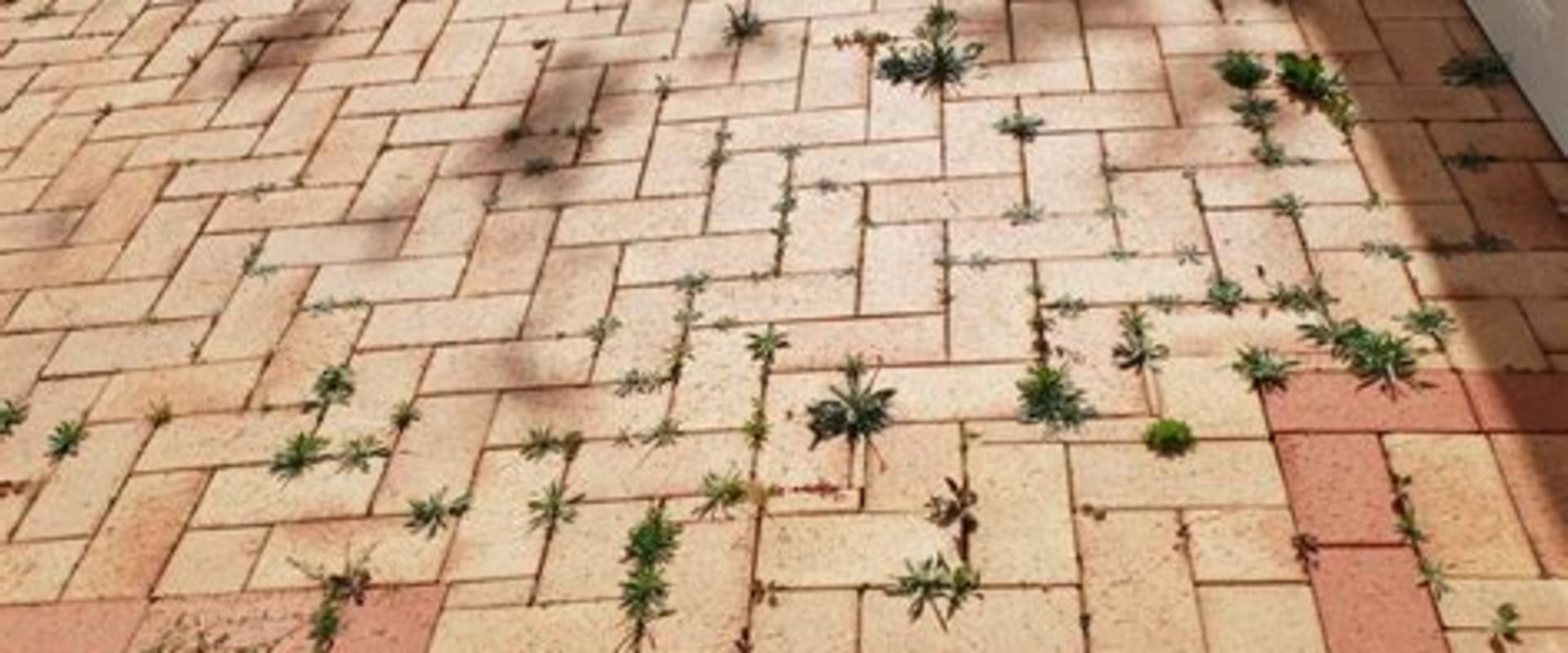
Weeds growing between pavers is a common issue that many homeowners face, often leading to frustration and a decline in the overall aesthetic appeal of outdoor spaces. These resilient plants can sprout in the smallest of gaps, thriving in the warm, moist environment created by the interlocking stones. As they grow, they not only disrupt the visual harmony of your patio or walkway but can also compromise the structural integrity of the pavers themselves. The presence of weeds can signal underlying problems with paver maintenance. When weeds take root, they can push against the pavers, causing them to shift or become uneven over time.
This not only detracts from the beauty of your hardscaping but can also create tripping hazards and lead to costly repairs. Understanding why weeds are so persistent in these areas is crucial for effective weed prevention.Several factors contribute to weed growth between pavers, including poor drainage, inadequate joint filling, and even the type of soil used during installation. Without proper maintenance, these factors can create an inviting environment for weeds to flourish. By addressing these issues proactively, homeowners can significantly reduce the likelihood of weeds invading their paver spaces, ensuring that their outdoor areas remain both beautiful and functional for years to come.
The Importance of Paver Maintenance
Regular paver maintenance is crucial for preserving the aesthetic appeal and structural integrity of your paved surfaces.One of the primary benefits of maintaining pavers is the prevention of weed growth, which can not only detract from the beauty of your outdoor space but also compromise the stability of the pavers themselves.Weeds thrive in the small gaps between pavers, where they can find moisture and nutrients. By implementing a consistent maintenance routine, you can significantly reduce the likelihood of these unwanted plants taking root. Here are some key aspects of maintaining pavers that contribute to effective weed prevention:
- Regular Cleaning: Keeping your pavers clean by sweeping away debris and dirt prevents organic matter from accumulating, which can foster weed growth.
- Sealing Pavers: Applying a high-quality sealant creates a protective barrier that not only enhances the appearance of your pavers but also minimizes the spaces where weeds can germinate.
- Joint Stabilization: Using polymeric sand in the joints between pavers helps to lock them in place and reduces the chances of weeds sprouting.
- Prompt Repairs: Addressing any cracks or shifting in your pavers quickly prevents weeds from finding a foothold in these vulnerable areas.
Additionally, well-maintained pavers enhance curb appeal, making your property more inviting and potentially increasing its value.In conclusion, prioritizing paver maintenance is essential for preventing weed growth and ensuring that your outdoor spaces remain beautiful and functional. By adopting a proactive approach to maintenance, you can enjoy a pristine paved area for years to come.
Preventative Measures to Stop Weeds from Growing
To effectively prevent weeds from growing between pavers, it is essential to implement a combination of proper installation techniques and ongoing landscaping practices. Here are some key strategies to consider:- Choose the Right Base Material: A solid foundation is crucial. Use a mixture of crushed stone and sand to create a stable base that allows for proper drainage while minimizing weed growth.
- Install Pavers Correctly: Ensure that pavers are installed tightly together, leaving minimal gaps.
This not only enhances the aesthetic appeal but also reduces the spaces where weeds can take root.
- Use Polymer Sand: After laying the pavers, fill the joints with polymeric sand. This type of sand hardens when wet, creating a barrier that prevents weed seeds from germinating.
- Regular Maintenance: Regularly inspect your paver area for any signs of weed growth. Promptly removing any emerging weeds can prevent them from spreading and taking hold.
- Apply a Weed Barrier Fabric: Consider placing a landscape fabric beneath the pavers. This acts as a physical barrier against weeds while allowing water to drain through.
- Utilize Natural Herbicides: If you notice weeds starting to appear, use natural herbicides made from vinegar or salt as an eco-friendly option to eliminate them without harming your landscape.
Healthy soil promotes strong plant life that can outcompete weeds for resources. By combining these weed prevention methods, you can enjoy a beautiful and weed-free outdoor space for years to come.
Using Weed Barriers Effectively
One of the most effective methods for preventing weeds from growing between pavers is the use of weed barriers. These materials act as a physical barrier, inhibiting weed growth while allowing water and nutrients to penetrate the soil. Among the various options available, landscape fabric stands out as a popular choice due to its durability and effectiveness.Choosing the Right Weed Barrier
- Landscape Fabric: This permeable material allows water and air to reach the soil while blocking sunlight, which is essential for weed germination.
When installing landscape fabric, ensure it overlaps at the seams to prevent any gaps where weeds could emerge.
- Plastic Sheeting: While not as breathable as landscape fabric, plastic sheeting can be effective in certain situations. It is best used in areas where moisture retention is not a concern, as it can prevent water from reaching the soil.
- Natural Mulches: Organic materials like wood chips or bark can also serve as a weed barrier. They decompose over time, enriching the soil while suppressing weed growth. However, they may require replenishing more frequently than synthetic options.
Installation Tips for Effective Weed Control
- Before laying down any weed barrier, clear the area of existing weeds and debris.
This ensures that you start with a clean slate.
- Cut the fabric to fit snugly around your pavers, ensuring that it covers all exposed soil areas.
- Secure the edges of the barrier with landscape staples or pins to prevent it from shifting over time.
- If using mulch or gravel on top of the barrier, apply a sufficient layer (at least 2-3 inches) to enhance its effectiveness against weeds.
Regular Cleaning and Maintenance Practices
To effectively prevent weeds from growing between pavers, regular cleaning and maintenance practices are essential. These practices not only enhance the aesthetic appeal of your outdoor space but also contribute significantly to the longevity of your pavers.1.Manual Removal of Weeds
- Inspect your paver area regularly for any signs of weed growth. Early detection is key to preventing a larger infestation.
- Use a hand weeder or a similar tool to remove weeds by their roots.
This method is effective in ensuring that the weeds do not regrow.
- After removing the weeds, consider filling the gaps with fresh sand or polymeric jointing sand to discourage future growth.
2.Pressure Washing
Another effective method for maintaining pavers is pressure washing. This technique helps to remove dirt, debris, and any existing weeds:
- Use a pressure washer with a fan tip nozzle to avoid damaging the pavers.
- Focus on the joints between the pavers where weeds tend to thrive. The high-pressure water will dislodge any weed seeds and roots.
- After pressure washing, allow the area to dry completely before applying any sealant or sand.
3.Regular Sweeping
Incorporating regular sweeping into your maintenance routine can also help:
- Sweep away leaves, dirt, and organic matter that can provide a breeding ground for weeds.
- This simple practice can significantly reduce the chances of weed seeds taking root in the gaps between your pavers.
Chemical Solutions for Weed Control
When it comes to paver maintenance, controlling weeds is essential for both aesthetics and longevity. Chemical solutions can be effective in managing unwanted vegetation between pavers, especially when used correctly.Types of Herbicides
- Pre-emergent herbicides: These products prevent weed seeds from germinating.
They are best applied before weeds appear, creating a barrier that stops growth.
- Post-emergent herbicides: These are used to kill existing weeds. They work by targeting the foliage and roots of the plants, effectively eliminating them.
- Selective herbicides: These target specific types of weeds without harming surrounding plants. This is particularly useful in areas where you want to preserve certain vegetation.
- Non-selective herbicides: These kill all plant life they come into contact with. Caution is necessary when using these around desirable plants.
Safe Weed Killers
For those concerned about environmental impact or safety, there are several safe weed killers available:
- Vinegar: A natural herbicide that can be effective against young weeds.
Its high acidity can damage plant tissues.
- Boiling water: Pouring boiling water directly onto weeds can kill them instantly, making it a simple and chemical-free solution.
- Corn gluten meal: This organic option acts as a pre-emergent herbicide, preventing weed seeds from sprouting while providing nutrients to the soil.
Natural Alternatives to Chemical Weed Control
When it comes to paver maintenance, many homeowners seek effective ways to prevent weeds from sprouting between their pavers without resorting to harsh chemicals. Fortunately, there are several natural alternatives that can help maintain the aesthetic appeal of your outdoor spaces while being eco-friendly.- Boiling Water: One of the simplest methods is pouring boiling water directly onto the weeds.
This method effectively kills the plants by cooking them, making it a quick and chemical-free solution.
- Vinegar: Household vinegar, particularly those with higher acetic acid concentrations, can be sprayed directly onto the weeds. The acidity in vinegar dehydrates the plants, leading to their demise. However, be cautious as it can also affect surrounding plants.
- Salt: A mixture of salt and water can serve as a potent weed killer. However, use this method sparingly, as salt can alter soil composition and harm nearby vegetation.
- Mulching: Applying a layer of organic mulch around your pavers can suppress weed growth by blocking sunlight and retaining moisture in the soil.
This not only prevents weeds but also enhances the overall look of your landscape.
- Corn Gluten Meal: This natural herbicide works by inhibiting seed germination. Spread it on your paver surfaces before weeds start to sprout for effective prevention.
FAQs About Weeds and Paver Maintenance
Maintaining pavers can be a challenge, especially when it comes to weeds sprouting between them.Here are some frequently asked questions that can help you understand how to effectively manage this issue.
What are the most common types of weeds that grow between pavers?
Weeds such as dandelions, crabgrass, and clover are frequently found in the gaps of paver stones. These plants thrive in the small spaces where soil and moisture accumulate, making them difficult to eliminate once established.How can I prevent weeds from growing between my pavers?
- Use polymeric sand: This type of sand hardens when wet, creating a barrier that prevents weed growth.
- Regularly clean your pavers: Remove debris and organic matter that can promote weed growth.
- Apply a weed barrier fabric: Laying down a landscape fabric before installing pavers can help block weeds from emerging.
- Consider using herbicides: If weeds do appear, targeted herbicides can be effective, but always follow the manufacturer's instructions.
How often should I perform paver maintenance?
Paver maintenance should be performed at least twice a year. Regular inspections will help you catch any weed growth early and allow you to take action before they become a larger problem. Additionally, seasonal cleaning and reapplication of sand or sealant can enhance the longevity of your pavers.Can I remove weeds without damaging my pavers?
Yes, you can remove weeds without harming your pavers by using manual methods such as pulling them out by hand or using a weeding tool.For stubborn weeds, consider boiling water or vinegar as natural alternatives to chemical herbicides.By addressing these common questions and implementing effective paver maintenance strategies, you can significantly reduce the likelihood of weeds disrupting your outdoor space.
Conclusion: Maintaining a Weed-Free Paver Area
In conclusion, maintaining a weed-free paver area is essential for both aesthetic appeal and the longevity of your hardscaping investment. By implementing a combination of proactive measures, you can significantly reduce the likelihood of weeds infiltrating the spaces between your pavers. First and foremost, regular cleaning is crucial. Removing debris, leaves, and organic matter not only enhances the appearance of your pavers but also eliminates potential growth mediums for weeds. Consider using a pressure washer or a broom to keep the surface clear. Secondly, applying a high-quality polymeric sand during installation or as a maintenance step can help prevent weed growth.This type of sand hardens when wet, creating a barrier that is difficult for weeds to penetrate. Additionally, utilizing landscape fabric beneath your pavers can provide an extra layer of protection against weed seeds. This fabric allows water to drain while blocking sunlight, which is essential for weed germination. Another effective strategy is to regularly inspect your paver area for any signs of weed growth. Early detection allows for prompt removal before they have a chance to spread. Hand-pulling or using a hoe can be effective methods for small infestations. Finally, consider applying a natural herbicide or an organic solution like vinegar or boiling water to any stubborn weeds that do appear.
These methods are environmentally friendly and can be effective in managing unwanted plant life. By following these guidelines and remaining vigilant in your paver maintenance, you can enjoy a beautiful, weed-free outdoor space that enhances your property’s value and curb appeal.