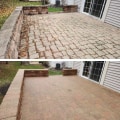
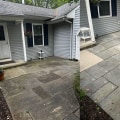
Paver maintenance is essential for preserving the aesthetic appeal and structural integrity of your outdoor spaces. Whether you have a driveway, patio, or walkway, the longevity of your pavers depends significantly on how well you care for them. One common method homeowners use to maintain their pavers is pressure washing. This technique can effectively remove dirt, grime, and stains, restoring the original look of your pavers.
However, it raises an important question: can pressure washing damage pavers?While pressure washing can be a powerful tool in your paver maintenance arsenal, it is crucial to understand the potential risks involved. The high-pressure water stream can dislodge sand from the joints between pavers, leading to instability and shifting over time. Additionally, if not done correctly, pressure washing can cause surface damage to certain types of pavers, particularly those made from softer materials. Therefore, knowing how to properly use this method is vital for effective maintenance without compromising the integrity of your pavers. In this article, we will delve deeper into the relationship between pressure washing and paver maintenance.
We will explore best practices for using pressure washers on pavers, discuss alternative cleaning methods, and provide tips on how to avoid potential damage. By understanding these aspects, you can ensure that your outdoor surfaces remain beautiful and functional for years to come.
What Are Pavers and Their Common Uses?
Pavers are versatile, durable materials used for creating hard surfaces in various outdoor settings. They are typically made from concrete, brick, or natural stone and are designed to interlock, providing a stable and aesthetically pleasing surface. Understanding the different types of pavers and their common uses is essential for effective paver maintenance.Types of Pavers
- Concrete Pavers: These are manufactured from a mixture of cement, sand, and aggregates.
They come in various shapes, sizes, and colors, making them a popular choice for driveways and patios.
- Brick Pavers: Made from fired clay, brick pavers offer a classic look and are known for their durability. They are often used in walkways and garden paths.
- Natural Stone Pavers: These include materials like granite, limestone, and slate. Natural stone pavers provide a unique aesthetic but can be more expensive than other options.
Common Uses of Pavers
Pavers serve multiple purposes in landscaping and construction:- Driveways: Paved driveways enhance curb appeal while providing a sturdy surface for vehicles.
- Patios: Outdoor living spaces often feature paver patios that allow for entertaining and relaxation.
- Walkways: Pavers create safe and attractive paths through gardens or yards.
- Pool Decks: Pavers around pools offer slip resistance and can withstand moisture exposure.
The Importance of Regular Paver Maintenance
Maintaining pavers is crucial for ensuring their longevity and aesthetic appeal.Regular paver maintenance not only enhances the visual charm of your outdoor spaces but also prevents costly repairs in the future. Over time, dirt, grime, and organic growth can accumulate on pavers, leading to discoloration and deterioration.One of the primary benefits of maintaining pavers is that it helps to preserve their structural integrity. When pavers are neglected, weeds can grow between them, causing shifting and uneven surfaces. This not only affects the appearance but can also pose safety hazards.
By regularly cleaning and sealing your pavers, you can prevent these issues from arising.
- Enhanced Aesthetics: Clean and well-maintained pavers significantly improve the overall look of your property.
- Increased Lifespan: Regular maintenance can extend the life of your pavers, saving you money in the long run.
- Prevention of Damage: Addressing minor issues promptly can prevent them from escalating into major problems.
- Improved Safety: Keeping pavers free from moss and algae reduces slip hazards.
How Pressure Washing Works
Understanding how pressure washing works is essential for anyone considering this method for paver maintenance.The process involves using a high-pressure water spray to remove dirt, grime, mold, and other debris from surfaces. This technique can be highly effective but requires knowledge of the right equipment and methods to avoid damaging pavers.The pressure washing process typically begins with the selection of appropriate equipment. A pressure washer consists of a motor, a pump, and a nozzle. The motor powers the pump, which pressurizes the water and forces it through the nozzle at high speeds.
This creates a powerful stream of water that can dislodge stubborn stains and contaminants.
- Pressure Settings: Different surfaces require different pressure settings. For pavers, a lower pressure setting (around 1500 to 2000 PSI) is often recommended to prevent damage.
- Nozzle Types: The type of nozzle used can significantly affect the cleaning process. A wider spray pattern is generally safer for pavers, as it distributes the pressure more evenly.
- Cleaning Solutions: Sometimes, adding a cleaning solution can enhance the effectiveness of pressure washing. However, it’s crucial to choose products that are safe for use on pavers.
Keeping the nozzle too close can lead to etching or chipping of the paver material. Additionally, moving in a systematic pattern helps ensure that all areas are evenly cleaned without over-concentrating pressure on any single spot.In summary, while pressure washing can be an effective method for maintaining pavers, understanding the mechanics behind it is vital. Proper equipment selection and technique are key to ensuring that your pavers remain intact and visually appealing after cleaning.
Can Pressure Washing Damage Pavers?
When considering paver maintenance, one common question arises: can pressure washing damage pavers? The answer is not straightforward, as it largely depends on several factors including the type of pavers, the pressure setting used, and the technique employed during the washing process.Pressure washing
can indeed pose risks to pavers if not done correctly. High-pressure settings can dislodge sand from the joints between pavers, leading to instability and potential shifting over time.Additionally, certain types of pavers, such as those made from softer materials like limestone or sandstone, are more susceptible to damage from intense pressure.Here are some potential risks of pressure washing pavers:
- Surface Damage: Excessive pressure can cause chipping or cracking in the surface of the pavers.
- Joint Erosion: High-pressure water can wash away joint sand, compromising the structural integrity of the paved area.
- Staining: If not rinsed properly, cleaning solutions used during pressure washing can leave stains on the pavers.
- Pressure Setting: Use a lower pressure setting (around 1,200 to 1,500 PSI) for most paver types.
- Nozzle Type: Opt for a wide-angle nozzle to disperse water more evenly and reduce concentrated force.
- Technique: Maintain a consistent distance from the surface and avoid holding the nozzle too close to prevent localized damage.
Factors That Influence Damage to Pavers During Pressure Washing
When considering paver maintenance, it’s essential to understand the various factors that can influence the potential for damage during pressure washing. Each of these elements plays a crucial role in determining the effectiveness and safety of the cleaning process.Water Pressure Settings
The pressure settings used during washing are perhaps the most critical factor. Using too high a pressure can lead to:- Surface Erosion: Excessive pressure can erode the surface of pavers, especially those made from softer materials.
- Joint Damage: High pressure can dislodge sand or polymeric jointing material, leading to instability in the paver structure.
It’s advisable to start at the lower end and gradually increase if necessary.
Type of Paver Material
The material composition of pavers significantly affects their resilience to pressure washing. Common types include:- Concrete Pavers: Generally durable but can be susceptible to surface damage if high pressure is applied.
- Brick Pavers: These are often more fragile and can crack under excessive force.
- Natural Stone Pavers: While robust, certain stones like limestone may be more prone to etching or discoloration when subjected to high-pressure washing.
Existing Conditions
The condition of the pavers before washing also matters. If pavers are already cracked or loose, pressure washing can exacerbate these issues. Additionally, the presence of moss, algae, or dirt buildup can affect how water interacts with the surface.It’s crucial to assess these conditions prior to cleaning. In summary, understanding these factors—water pressure settings, type of paver material, and existing conditions—is vital for effective paver maintenance. Taking the time to evaluate each aspect will help ensure that your pavers remain in excellent condition post-cleaning.
Best Practices for Pressure Washing Pavers Safely
When it comes to paver maintenance, pressure washing can be an effective method for keeping your outdoor surfaces clean. However, improper techniques can lead to damage. Here are some best practices to ensure you pressure wash your pavers safely:- Choose the Right Pressure Setting: Always start with the lowest pressure setting on your pressure washer.
A setting between 1,200 to 1,500 PSI is generally safe for most paver types. Higher pressures can dislodge sand and cause surface damage.
- Use a Fan Tip Nozzle: Opt for a fan tip nozzle rather than a direct stream. A wider spray pattern distributes the pressure more evenly, reducing the risk of etching or chipping the pavers.
- Maintain a Safe Distance: Keep the nozzle at least 12 inches away from the surface of the pavers. This distance helps prevent concentrated pressure that can harm the material.
- Work in Sections: Divide your cleaning area into manageable sections.
This approach allows you to focus on one area at a time, ensuring thorough cleaning without overwhelming the surface.
- Use Cleaning Solutions Wisely: If you choose to use a cleaning solution, make sure it is compatible with your pavers. Avoid harsh chemicals that can degrade the surface or joint sand.
- Rinse Thoroughly: After pressure washing, rinse the area with clean water to remove any residual cleaning agents and debris. This step is crucial for preventing buildup that could lead to discoloration or staining.
Alternatives to Pressure Washing for Paver Maintenance
While pressure washing can be an effective method for cleaning pavers, it also poses risks of damage if not done correctly.Fortunately, there are several alternatives to pressure washing that can help maintain the integrity and appearance of your pavers without the associated risks.
- Manual Sweeping and Brushing: Regularly sweeping your pavers with a broom can help remove dirt, debris, and leaves. For more stubborn stains, using a stiff-bristled brush can effectively lift grime without damaging the surface.
- Soapy Water Solution: A mixture of warm water and mild dish soap can be used to clean pavers. Apply the solution with a mop or sponge, allowing it to sit for a few minutes before rinsing with clean water. This method is gentle yet effective for routine maintenance.
- Vinegar or Baking Soda: For natural cleaning options, vinegar or baking soda can be used to tackle tough stains.
Mix vinegar with water in a spray bottle and apply it directly to the stained area. Alternatively, sprinkle baking soda on the stain, let it sit, and scrub gently with a brush.
- Commercial Paver Cleaners: There are many products specifically designed for cleaning pavers that are less aggressive than pressure washing. Look for biodegradable options that are safe for your landscaping and pets.
- Steam Cleaning: This method uses high-temperature steam to lift dirt and stains without the high pressure of traditional washing. It’s an eco-friendly option that sanitizes surfaces while being gentle on pavers.
Regular upkeep not only enhances curb appeal but also prevents the need for more intensive cleaning methods in the future.
Frequently Asked Questions About Pressure Washing and Paver Maintenance
When it comes to paver maintenance, many homeowners have questions about the use of pressure washing. Below are some frequently asked questions that can help clarify the relationship between pressure washing and paver care.Can you use a pressure washer on pavers?
Yes, you can use a pressure washer on pavers, but caution is essential. The high-pressure water can effectively remove dirt, grime, and stains, making your pavers look new again. However, using too much pressure or the wrong nozzle can damage the surface of the pavers or dislodge the sand between them.What pressure setting is safe for pavers?
For most paver types, a pressure setting between 1,500 to 2,500 PSI is generally safe.Always start at a lower pressure and gradually increase it if necessary. Additionally, using a wide-angle nozzle (25-40 degrees) can help distribute the water more evenly and reduce the risk of damage.
How often should I pressure wash my pavers?
The frequency of pressure washing depends on several factors, including climate and usage. Generally, it’s advisable to pressure wash your pavers once a year. However, if you notice significant staining or moss growth, you may need to do it more frequently.What are the risks of pressure washing pavers?
- Surface Damage: High pressure can chip or crack the pavers.
- Joint Sand Displacement: Excessive force can wash away the sand that holds the pavers together.
- Mold Growth: If not dried properly after washing, moisture can lead to mold growth.
They can ensure that your pavers are cleaned effectively without causing harm.If you have further questions about maintaining your pavers or using a pressure washer safely, don’t hesitate to reach out to a local expert in paver maintenance.
Conclusion: Key Takeaways on Pressure Washing and Paver Care
In conclusion, understanding the relationship between pressure washing and paver maintenance is crucial for homeowners looking to preserve the integrity and appearance of their outdoor spaces. While pressure washing can be an effective method for cleaning pavers, it is essential to approach this task with caution. Here are the key takeaways regarding pressure washing and paver care:- Pressure Settings Matter: Using the correct pressure setting is vital. High pressure can dislodge sand from joints and damage the surface of the pavers.
- Distance is Key: Maintain a safe distance between the pressure washer nozzle and the paver surface to minimize potential damage.
- Regular Maintenance: Incorporating regular maintenance practices, such as sealing and joint replenishment, can enhance the durability of your pavers and reduce the need for aggressive cleaning methods.
- Alternative Cleaning Methods: Consider using alternative cleaning methods, such as a mild detergent or a soft brush, for routine cleaning to avoid the risks associated with pressure washing.
- Professional Help: If unsure about how to proceed, hiring a professional service can ensure that your pavers are cleaned effectively without causing harm.