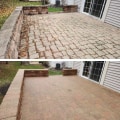
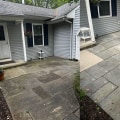
When embarking on construction or landscaping projects, paver maintenance is often overlooked, yet it plays a crucial role in preserving the beauty and functionality of your outdoor spaces. Pavers, whether made of concrete, brick, or natural stone, are susceptible to damage from heavy equipment, debris, and environmental factors. Understanding how to protect these surfaces during such projects is essential for ensuring their longevity and maintaining their aesthetic appeal. Proper paver care begins with recognizing the potential threats that can arise during construction. Heavy machinery can cause cracks or shifts in the paver alignment, while dirt and debris can lead to staining and erosion.
By implementing effective protective measures, you can safeguard your investment and avoid costly repairs down the line. This includes using protective coverings, such as plywood or tarps, to shield pavers from direct impact and contaminants. Moreover, regular maintenance practices should not be neglected even during construction. Keeping the paver surfaces clean and free from debris will help prevent long-term damage. Additionally, applying a sealant before starting any project can provide an extra layer of protection against stains and moisture infiltration.
By prioritizing protecting pavers throughout your landscaping endeavors, you ensure that they remain a stunning feature of your property for years to come.
Assessing Your Paver Installation
When embarking on construction or landscaping projects, assessing your paver installation is a critical first step. Understanding the type and condition of your existing pavers can significantly influence the protective measures you implement.Types of Pavers
play a vital role in determining their durability and maintenance needs. Common types include:- Concrete Pavers: Known for their strength and versatility, these pavers can withstand heavy loads but may require sealing to prevent staining.
- Brick Pavers: These offer a classic aesthetic and are durable, but they can be prone to fading and may need regular cleaning.
- Natural Stone Pavers: While beautiful and unique, they often require more maintenance due to their porous nature, making them susceptible to water damage.
This assessment will help you determine how much protection is necessary during your project. For instance, if your pavers are already showing signs of distress, you may need to take extra precautions like using protective coverings or avoiding heavy machinery on the surface.Additionally, consider the installation method. Pavers that are set in sand may shift more easily than those installed with mortar. Understanding this can guide you in choosing appropriate protective measures, such as using barriers or mats to distribute weight evenly during construction activities.In summary, a thorough assessment of your paver installation—including the type of pavers and their current condition—will enable you to implement effective paver maintenance strategies during landscaping or construction projects.
This proactive approach not only protects your investment but also ensures the longevity and aesthetic appeal of your outdoor spaces.
Pre-Construction Preparations
Before embarking on any construction or landscaping project, pre-construction paver protection is crucial to ensure the longevity and aesthetic appeal of your pavers. Proper site preparation can significantly reduce the risk of damage during the project. Here are some essential steps to consider:- Assess the Area: Begin by evaluating the site where the pavers are installed. Identify any potential hazards such as heavy machinery access points, areas prone to erosion, or locations where materials may be stored.
- Clear the Surroundings: Remove any debris, plants, or obstacles around the paver area.
This not only provides a clear workspace but also minimizes the risk of accidental damage.
- Use Protective Covers: Consider using protective coverings such as tarps or plywood sheets over the pavers. This will shield them from falling debris, heavy equipment, and other potential impacts during construction.
- Plan for Water Drainage: Ensure that water drainage is adequately planned to prevent pooling around the pavers. Poor drainage can lead to erosion and shifting of the pavers, compromising their integrity.
- Communicate with Your Team: Make sure that everyone involved in the project understands the importance of paver maintenance. Clear communication can help prevent accidental damage and ensure that all team members are on the same page regarding protective measures.
Remember, investing time in pre-construction preparations not only protects your investment but also enhances the overall success of your project.
Protective Measures During Construction
When undertaking construction or landscaping projects, protecting your pavers is crucial to ensure their longevity and aesthetic appeal. Here are several effective protective measures to consider:- Use Temporary Coverings: One of the most effective ways to shield pavers from potential damage is by using temporary coverings. Options such as heavy-duty tarps, plywood sheets, or specialized protective mats can provide a barrier against heavy equipment, falling debris, and harsh weather conditions.
- Implement Site Management Practices: Proper construction site management is essential. Designate specific pathways for heavy machinery and foot traffic to minimize direct contact with the pavers.
This not only reduces wear and tear but also helps in maintaining the integrity of the installation.
- Avoid Chemical Spills: During construction, be cautious of spills from paints, solvents, or other chemicals that can stain or damage pavers. Ensure that all materials are stored securely and that any spills are cleaned immediately to prevent long-term damage.
- Regular Inspections: Conduct regular inspections of the paver area throughout the construction process. This allows for early detection of any potential issues, such as cracks or shifting, which can be addressed promptly before they escalate.
- Limit Heavy Loads: If possible, avoid placing heavy loads directly on pavers. Use equipment that distributes weight evenly and consider using additional support structures to prevent excessive pressure on the paver surface.
This proactive approach not only preserves their appearance but also extends their lifespan, ensuring that your investment remains intact for years to come.
Post-Construction Care for Pavers
Once your construction or landscaping project is complete, post-construction paver maintenance becomes crucial to ensure the longevity and aesthetic appeal of your pavers. Here are the essential steps to follow:- Initial Cleaning: After construction, pavers often accumulate dust, debris, and construction materials. Begin by sweeping the surface to remove loose dirt. Follow this with a thorough wash using a pressure washer set to a low setting to avoid damaging the pavers.
This will help eliminate any remaining grime and restore their original look.
- Inspect for Damage: After cleaning, take the time to inspect your pavers for any cracks or chips that may have occurred during the construction process. Addressing these issues early can prevent further damage and maintain the integrity of your installation.
- Sealing Pavers: One of the most important steps in cleaning pavers post-construction is applying a high-quality sealant. Sealing your pavers helps protect them from stains, moisture, and UV damage. It’s best to wait at least 30 days after installation before sealing to allow for proper curing.
Choose a sealant that is appropriate for your specific type of paver material.
- Regular Maintenance: After sealing, establish a routine maintenance schedule. Regularly sweep and wash your pavers to prevent dirt buildup and staining. Depending on your environment, consider reapplying sealant every 1-3 years to maintain optimal protection.
Common Mistakes to Avoid in Paver Maintenance
When it comes to paver maintenance, avoiding common mistakes can save you time, money, and effort in the long run. Here are some frequent errors to watch out for:- Neglecting Proper Cleaning: One of the biggest mistakes is failing to clean pavers before applying sealants or protective coatings.
Dirt and debris can trap moisture, leading to mold and mildew growth.
- Using Harsh Chemicals: Many homeowners mistakenly use harsh chemicals that can damage the surface of the pavers. Always opt for paver-safe cleaning solutions to maintain their integrity.
- Ignoring Joint Sand: The sand between pavers is crucial for stability. Neglecting to replenish joint sand can lead to shifting and uneven surfaces. Regularly check and refill as necessary.
- Overlooking Drainage Issues: Poor drainage can cause water to pool on pavers, leading to erosion and damage.
Ensure that your landscaping directs water away from paved areas.
- Skipping Sealing: Some may think sealing is optional, but it’s essential for protecting pavers from stains and weather damage. Seal your pavers every few years for optimal protection.
FAQs About Paver Maintenance During Projects
When it comes to paver maintenance during construction or landscaping projects, several common questions arise. Here are some frequently asked questions that can help you better understand how to protect your pavers:- How can I protect my pavers from heavy equipment?
To safeguard your pavers from the weight of heavy machinery, consider using plywood sheets or mats to distribute the weight evenly.This will prevent cracking and shifting of the pavers.
- What should I do if my pavers get dirty during a project?
If dirt or debris accumulates on your pavers, gently wash them with a hose and a soft-bristle brush. Avoid harsh chemicals that could damage the surface. - Is it necessary to seal pavers before starting a landscaping project?
While not mandatory, sealing your pavers can provide an extra layer of protection against stains and damage. If you plan to seal them, do so at least a week before any construction begins. - How can I prevent weeds from growing in between my pavers during construction?
To minimize weed growth, apply a layer of polymeric sand in the joints before starting your project. This type of sand hardens when wet, creating a barrier against weeds. - What are the best practices for maintaining pavers after a project?
Regular maintenance is key.Sweep your pavers regularly, remove any debris, and consider reapplying sealant every few years to keep them looking their best.
Conclusion: Best Practices for Paver Protection
In conclusion, protecting your pavers during construction or landscaping projects is essential for maintaining their aesthetic appeal and structural integrity. By implementing the best practices outlined in this article, you can ensure that your pavers remain in excellent condition.Regular maintenance
is key to prolonging the life of your pavers. This includes routine cleaning, sealing, and addressing any issues promptly. During construction, it is crucial to take proactive measures to shield your pavers from potential damage.- Use protective coverings: Employ tarps or plywood sheets to cover paver surfaces when heavy equipment is in use.
This will help prevent scratches and cracks.
- Avoid heavy loads: Be mindful of the weight of materials being transported over pavers. If possible, use alternative routes to minimize stress on the surface.
- Implement proper drainage: Ensure that water runoff is directed away from paver areas to prevent erosion and settling.
- Limit chemical exposure: Avoid using harsh chemicals that can damage the surface of your pavers. Opt for eco-friendly alternatives whenever possible.