Pavers are a popular choice for enhancing outdoor spaces, providing both functionality and aesthetic appeal. These versatile materials come in various types, including concrete, brick, and natural stone, each offering unique characteristics that can complement different architectural styles. Understanding the specific type of paver you have is crucial, as it directly influences the maintenance practices required to keep them looking their best. Regular paver maintenance is essential not only for preserving the appearance of your outdoor surfaces but also for extending their lifespan. Over time, pavers can accumulate dirt, moss, and weeds, which can lead to discoloration and structural issues if left unattended.
By implementing a consistent cleaning routine and addressing minor repairs promptly, homeowners can prevent more significant problems down the line. The importance of paver care cannot be overstated. Well-maintained pavers enhance curb appeal and increase property value while providing a safe and enjoyable environment for family and guests. Whether you’re considering a new installation or looking to revitalize existing pavers, understanding their maintenance needs is the first step toward achieving a beautiful and durable outdoor space.
Common Types of Pavers and Their Unique Cleaning Requirements
When it comes to paver maintenance, understanding the different types of pavers and their unique cleaning requirements is essential for preserving their appearance and longevity. Here are the most common types of pavers and the best cleaning methods for each:- Concrete Pavers: These are popular for their durability and versatility.
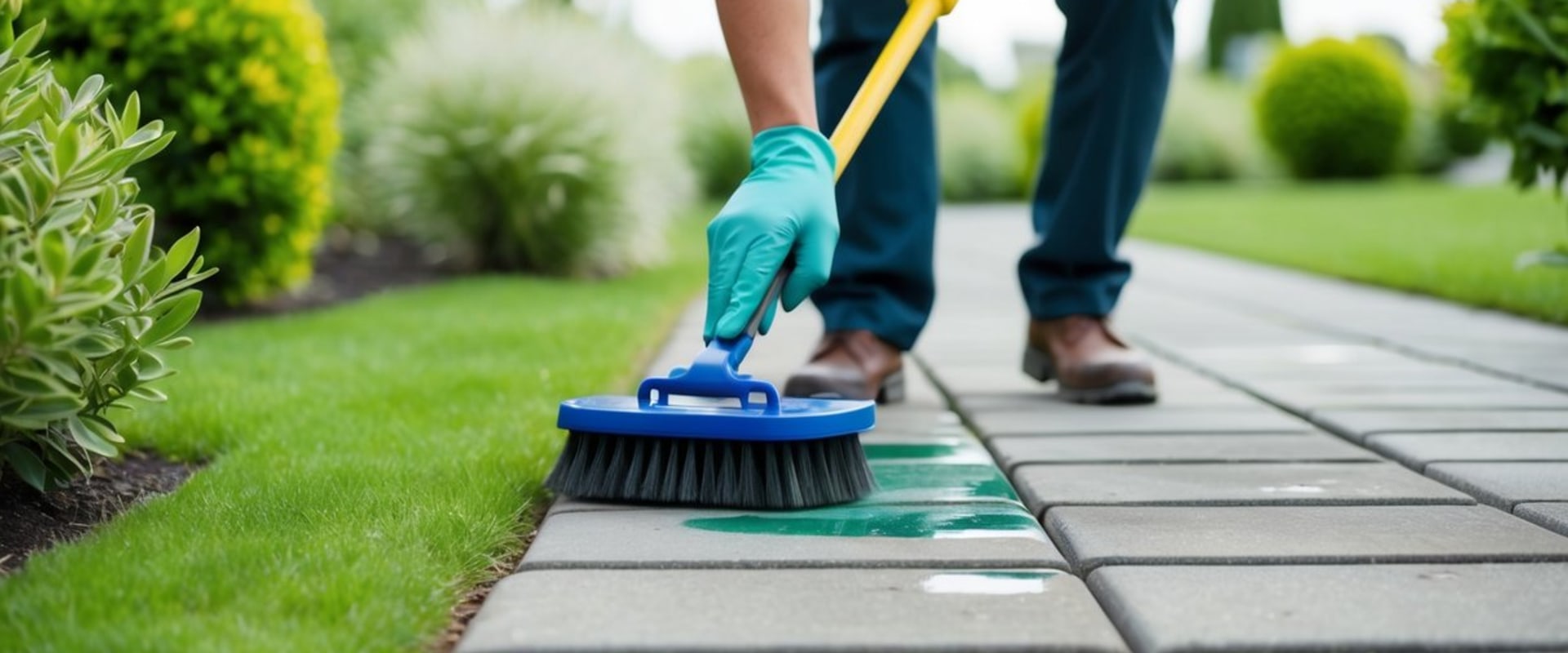
To clean concrete pavers, start by sweeping away debris. For stains, a mixture of water and mild detergent can be applied. Use a stiff-bristled brush to scrub the area, then rinse thoroughly with a pressure washer set to a low setting to avoid damage.
- Brick Pavers: Brick pavers add a classic touch to any landscape but can be prone to moss and algae growth. Begin by sweeping the surface, then use a solution of vinegar and water (1:1 ratio) to treat any stains or organic growth.
Apply the solution, let it sit for about 10 minutes, and scrub with a brush before rinsing with water.
- Natural Stone Pavers: These pavers, including slate and granite, require gentle care. Avoid harsh chemicals that can damage the stone. Instead, use a pH-neutral cleaner mixed with warm water. Apply it with a soft cloth or sponge, scrub gently, and rinse with clean water.
For tough stains, consider using a poultice made from baking soda and water.
Essential Tools and Supplies for Paver Cleaning
To effectively maintain and clean your pavers, having the right tools and supplies is essential. Below is a comprehensive list of items you will need to ensure your paver maintenance is both efficient and effective.- Pressure Washer: A pressure washer is one of the most effective tools for cleaning pavers.
It can remove dirt, grime, and even stubborn stains without damaging the surface.
- Broom or Brush: A stiff-bristled broom or brush is necessary for sweeping away loose debris before you start the cleaning process. This helps prevent scratching the surface during washing.
- Cleaning Solution: Choose a paver-specific cleaning solution or a mild detergent that is safe for outdoor use. Avoid harsh chemicals that can damage the pavers or surrounding plants.
- Bucket: A bucket is useful for mixing your cleaning solution and water, especially if you are using a manual method instead of a pressure washer.
- Garden Hose: A standard garden hose with a spray nozzle can be used for rinsing off the cleaning solution after scrubbing the pavers.
- Stiff Brush or Scrub Pad: For areas with tough stains or mold, a stiff brush or scrub pad will help you apply more pressure and effectively clean those spots.
- Sealant (Optional): After cleaning, applying a sealant can protect your pavers from future stains and weather damage. Make sure to choose a sealant that is compatible with your type of pavers.
Regular cleaning not only enhances the appearance of your outdoor space but also extends the lifespan of your pavers.
Step-by-Step Guide to Cleaning Pavers
Cleaning pavers is essential for maintaining their appearance and longevity. Follow this step-by-step guide to ensure your pavers are cleaned effectively.- Gather Your Supplies: Before you start, collect the necessary tools and materials. You will need:
- A broom or leaf blower
- A pressure washer (optional)
- Paver cleaner or a mixture of water and mild detergent
- A stiff-bristled brush
- Protective gear (gloves, goggles)
- Clear the Area: Remove any furniture, plants, or debris from the paver surface. This will give you a clear workspace and prevent any damage to your belongings.
- Dry Cleaning: Use a broom or leaf blower to remove loose dirt, leaves, and other debris from the pavers.
This step is crucial as it prepares the surface for deeper cleaning.
- Apply Cleaner: If using a commercial paver cleaner, follow the manufacturer’s instructions. For a DIY solution, mix water with a mild detergent. Apply the cleaner evenly across the paver surface using a sprayer or watering can.
- Scrub the Pavers: After letting the cleaner sit for about 10-15 minutes, use a stiff-bristled brush to scrub the pavers. Focus on stained areas and grout lines to remove any embedded dirt or algae.
- Rinse Thoroughly: Use a pressure washer or a hose with a spray nozzle to rinse off the cleaner.
Ensure all residues are washed away to prevent any slippery surfaces once dry.
- Let Dry: Allow the pavers to dry completely before replacing any furniture or plants. This will help prevent mold and mildew growth.
Preventative Maintenance Tips for Pavers
Maintaining your pavers is essential for ensuring their longevity and aesthetic appeal. By implementing preventative maintenance strategies, you can avoid common issues such as weed growth, staining, and structural damage.Here are some effective tips to help you maintain your pavers and prolong their life:
- Regular Cleaning: Schedule regular cleanings to remove dirt, debris, and stains. Use a broom or leaf blower to clear loose debris, followed by a pressure washer for deeper cleaning. Be cautious with the pressure setting to avoid damaging the pavers.
- Sealant Application: Applying a high-quality sealant every few years can protect your pavers from moisture and stains. This barrier helps prevent weeds from taking root in the joints and enhances the color of the pavers.
- Weed Control: Regularly inspect the joints between pavers for weed growth.
Hand-pulling weeds is effective, but you can also use a vinegar solution or a commercial weed killer to manage stubborn plants.
- Joint Sand Maintenance: Over time, the sand in the joints may wash away. Replenishing this sand not only keeps your pavers stable but also prevents weed growth. Consider using polymeric sand for added durability.
- Addressing Settling: If you notice any settling or shifting of pavers, address it promptly. Lift the affected pavers, add or adjust the base material, and reset them to ensure a level surface.
Regular attention to your paver surfaces will save you time and money in the long run by preventing more serious issues from developing.
Frequently Asked Questions About Paver Maintenance
When it comes to paver maintenance, many homeowners have questions about the best practices for keeping their outdoor spaces looking pristine. Here are some frequently asked questions that can help guide you in maintaining your pavers effectively.What is the best way to clean pavers?
The best way to clean pavers involves a few simple steps:- Remove debris: Start by sweeping away leaves, dirt, and other debris from the surface.
- Use a pressure washer: For deeper cleaning, a pressure washer can effectively remove stains and grime. Ensure you use a fan tip and keep the nozzle at least 12 inches away from the surface to avoid damage.
- Apply a cleaning solution: For stubborn stains, consider using a paver cleaner or a mixture of water and vinegar. Apply it according to the manufacturer's instructions.
- Rinse thoroughly: After cleaning, rinse the area with water to remove any residue from the cleaning solution.
How often should I clean my pavers?
It is recommended to clean your pavers at least once a year.However, high-traffic areas may require more frequent cleaning, especially if they are prone to staining from spills or organic growth.
What should I do if my pavers are stained?
If you notice stains on your pavers, act quickly. Here are some tips:- Identify the stain type: Different stains require different treatments. Oil stains may need a degreaser, while rust stains might require a specialized rust remover.
- Test cleaning solutions: Always test any cleaning solution on a small, inconspicuous area first to ensure it does not damage the paver surface.
- Consider professional help: If stains persist despite your efforts, hiring a professional cleaning service may be beneficial.
Conclusion: Key Takeaways on Paver Maintenance and Care
In conclusion, paver maintenance is essential for preserving the aesthetic appeal and longevity of your outdoor spaces. By implementing the right cleaning techniques and regular upkeep, you can ensure that your pavers remain in excellent condition for years to come. Here are the key takeaways regarding paver maintenance:- Regular Cleaning: Schedule routine cleanings to remove dirt, debris, and stains.
This can be done using a broom, a pressure washer, or a specialized paver cleaner.
- Sealant Application: Applying a high-quality sealant can protect your pavers from moisture and staining. It’s advisable to reapply sealant every few years, depending on the product used and environmental factors.
- Weed Control: Prevent weeds from growing between pavers by using polymeric sand or applying herbicides as needed. This not only enhances the appearance but also prevents damage to the paver joints.
- Repairing Damage: Address any cracks or chips promptly to prevent further deterioration. Replacing damaged pavers or filling in cracks with appropriate materials can maintain the integrity of your surface.
- Seasonal Maintenance: Adjust your maintenance routine according to seasonal changes.
For instance, clearing snow and ice in winter is crucial to prevent slipping hazards and damage.