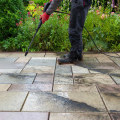
Paver maintenance is a crucial aspect of property care that often goes overlooked by homeowners and property managers alike. As outdoor spaces become increasingly popular for entertaining and relaxation, the importance of maintaining these surfaces cannot be overstated. Pavers, whether made of concrete, brick, or natural stone, are not only aesthetically pleasing but also functional. However, without proper care, they can quickly lose their charm and durability. One of the most significant components of paver maintenance is the process of sealing pavers.
This practice involves applying a protective layer that helps to prevent stains, fading, and damage from weather elements. Many property owners may wonder if sealing is truly necessary or just an optional step in the maintenance routine. The answer lies in understanding the benefits that sealing provides. Sealing pavers offers numerous advantages that extend beyond mere appearance. It enhances the longevity of the pavers by protecting them from harmful substances like oil, grease, and other spills that can lead to permanent staining.
Additionally, a good sealant can help prevent weed growth between pavers and reduce the risk of erosion caused by heavy rain or foot traffic. By investing in sealing as part of your paver maintenance strategy, you not only preserve the beauty of your outdoor space but also save on costly repairs in the long run.
What Are Pavers and Their Common Uses?
Pavers are versatile, durable materials used in various landscaping and hardscaping projects. They are typically made from concrete, brick, or natural stone and are designed to create stable surfaces for outdoor areas. Their aesthetic appeal and functionality make them a popular choice for homeowners and landscapers alike.Types of Pavers
- Concrete Pavers: These are manufactured from a mixture of cement, sand, and aggregates.
They come in various shapes, sizes, and colors, making them suitable for a wide range of applications.
- Brick Pavers: Made from fired clay, brick pavers offer a classic look and are known for their strength and longevity. They are often used in driveways, patios, and walkways.
- Natural Stone Pavers: These include materials like granite, limestone, and slate. Natural stone pavers provide a unique appearance due to their natural variations and textures.
Common Uses of Pavers
- Driveways: Pavers create durable surfaces that can withstand heavy traffic while enhancing curb appeal.
- Patios: They provide an attractive outdoor space for relaxation and entertainment.
- Walkways: Pavers can be arranged in various patterns to create inviting paths through gardens or yards.
- Pool Decks: Non-slip pavers are ideal for pool areas, ensuring safety while adding style.
This includes regular cleaning, sealing, and addressing any damage promptly to ensure that these surfaces remain safe and visually appealing.
The Importance of Paver Maintenance
Maintaining pavers is essential for ensuring their longevity and aesthetic appeal. Over time, pavers are subjected to various environmental factors that can lead to deterioration. Regular paver maintenance not only enhances the appearance of your outdoor spaces but also protects your investment.Weathering Effects
- Sunlight: UV rays can cause fading and discoloration, making pavers look worn and aged.
- Rain and Moisture: Water can seep into cracks, leading to erosion and structural damage over time.
- Temperature Fluctuations: Extreme heat and cold can cause pavers to expand and contract, resulting in cracks.
Benefits of Maintaining Pavers
- Enhanced Aesthetics: Clean and well-maintained pavers improve the overall look of your property, increasing curb appeal.
- Increased Longevity: Regular maintenance extends the life of your pavers, saving you money on replacements.
- Improved Safety: Well-maintained surfaces reduce the risk of slips and falls caused by uneven or damaged pavers.
- Structural Integrity: Addressing issues like shifting or settling early on prevents more significant problems down the line.
By investing time in regular upkeep, you ensure that your pavers remain a beautiful and durable feature of your landscape for years to come.
What Does Sealing Pavers Involve?
Sealing pavers is a crucial step in paver maintenance that helps protect your investment and enhance the aesthetic appeal of your outdoor spaces. The process involves several key steps to ensure that the sealant adheres properly and provides long-lasting protection.Preparation
- Cleaning: Before applying any sealant, it is essential to thoroughly clean the pavers. This can be done using a pressure washer or a stiff broom to remove dirt, debris, and any existing stains.
- Repairs: Inspect the pavers for any cracks or damage. Repairing these issues before sealing is vital to prevent further deterioration.
- Drying: Ensure that the pavers are completely dry before application.
Moisture can interfere with the adhesion of the sealant.
Application Methods
- Spraying: One of the most common methods for applying sealant is using a sprayer. This allows for an even distribution and is particularly effective for larger areas.
- Rolling: For smaller areas or intricate designs, a roller can be used to apply the sealant evenly without overspray.
- Brushing: In some cases, especially when dealing with textured surfaces, a brush may be necessary to work the sealant into the paver's surface.
Types of Sealers
- Film-forming sealers: These create a protective layer on top of the pavers, providing excellent resistance against stains and UV damage.
- Penetrating sealers: These soak into the pavers, offering protection from within while allowing moisture to escape, which helps prevent mold and mildew growth.
- Enhancing sealers: These not only protect but also enhance the color and appearance of the pavers, making them look more vibrant.
Is It Necessary to Seal Pavers?
When considering paver maintenance, one of the most frequently asked questions is whether it is necessary to seal pavers. The answer is not straightforward, as it depends on various factors including the type of pavers, their location, and the environmental conditions they are exposed to.Pros of Sealing Pavers:- Protection Against Stains: Sealing pavers can help prevent stains from oil, food, and other substances that may spill on the surface.
- Enhanced Color and Appearance: A sealant can enhance the natural color of the pavers, giving them a fresh and vibrant look.
- Reduced Weeds and Moss Growth: Sealing can create a barrier that minimizes the growth of weeds and moss between pavers.
- Increased Longevity: Regular sealing can extend the life of your pavers by protecting them from harsh weather conditions and wear.
- Cost: The initial investment for sealing can be significant, especially if you hire professionals to do the job.
- Maintenance Required: Sealed pavers require periodic reapplication of sealant, which adds to long-term maintenance efforts.
- Potential Slipperiness: Some sealants can make pavers slippery when wet, which may pose a safety hazard.
However, if your pavers are in a low-traffic area and you prefer a more natural look, you might opt to skip sealing. Weighing these pros and cons will help you make an informed decision about your paver maintenance strategy.
Factors Influencing the Decision to Seal Pavers
When considering whether to seal pavers, several factors come into play that can significantly influence your decision. Understanding these factors can help you make an informed choice about paver maintenance.Climate Conditions
The climate in your area is a crucial factor. In regions with extreme weather conditions, such as heavy rainfall, snow, or intense sunlight, sealing pavers can provide an added layer of protection.For instance:
- Rainy climates: Sealing helps prevent water infiltration, which can lead to erosion and weed growth.
- Sunny areas: UV rays can fade colors and degrade materials over time; a sealant can help maintain the paver's appearance.
Type of Paver Material
The material of your pavers also plays a significant role in the sealing decision. Different materials have varying levels of porosity and durability:- Concrete pavers: These are often more porous and may benefit from sealing to prevent staining and moisture damage.
- Natural stone pavers: While some stones are naturally resistant to weathering, sealing can enhance their color and protect against oil stains.
Usage Patterns
The way you use your paved area is another important consideration. High-traffic areas, such as driveways or patios, are more susceptible to wear and tear:- If your pavers are frequently exposed to heavy foot traffic or vehicle weight, sealing can help prolong their lifespan.
- For decorative or less-used spaces, sealing may not be as critical but can still offer aesthetic benefits.
Common Myths About Sealing Pavers
When it comes to paver maintenance, several myths can cloud homeowners' judgment about sealing their pavers.Understanding these misconceptions is crucial for making informed decisions that enhance the longevity and appearance of your outdoor surfaces.
- Myth 1: Sealing Pavers is Unnecessary
Many believe that sealing pavers is an optional step in paver maintenance. However, sealing provides a protective barrier against stains, moisture, and UV damage, which can significantly extend the life of your pavers. - Myth 2: Sealing Makes Pavers Slippery
Another common misconception is that sealed pavers become dangerously slippery. In reality, there are various sealers available that are specifically designed to enhance traction while still providing protection. - Myth 3: Sealing is Only for New Pavers
Some homeowners think that only new pavers need sealing. In truth, older pavers can benefit greatly from sealing as it helps restore their original color and protects against further wear and tear. - Myth 4: Sealing is a One-Time Job
Many assume that once pavers are sealed, they never need to be resealed.This is false; most sealers require reapplication every few years to maintain their effectiveness.
FAQs About Paver Maintenance and Sealing
When it comes to paver maintenance, many homeowners have questions about the necessity of sealing their pavers. Here are some common inquiries:- Is sealing pavers necessary? Sealing pavers is not strictly necessary, but it is highly recommended. Sealing helps protect against stains, moisture, and UV damage, extending the lifespan of your pavers.
- How often should I seal my pavers? It is generally advised to seal your pavers every 2 to 3 years, depending on the type of sealant used and the level of foot traffic.
Regular inspections can help determine if resealing is needed sooner.
- What are the benefits of sealing? Sealing provides several benefits, including enhanced color retention, reduced weed growth in joints, and easier cleaning. It also helps prevent efflorescence, a white powdery substance that can appear on unsealed pavers.
- Can I seal my pavers myself? Yes, sealing pavers can be a DIY project if you have the right tools and materials. However, for best results, consider hiring a professional who can ensure proper application and coverage.
- What should I do before sealing my pavers? Before sealing, it’s essential to clean the pavers thoroughly. Remove any dirt, debris, or stains using a pressure washer or appropriate cleaning solution.
Allow them to dry completely before applying the sealant.
Conclusion: Making an Informed Decision on Paver Sealing
In conclusion, the decision to seal pavers is not merely a matter of preference but rather a crucial aspect of paver maintenance that can significantly impact the longevity and appearance of your outdoor surfaces. Throughout this article, we have explored various factors that influence the necessity of sealing, including the type of pavers, environmental conditions, and the intended use of the area.One of the primary benefits of sealing pavers is the protection it offers against stains, moisture, and UV damage. By applying a sealant, you create a barrier that helps prevent dirt and grime from penetrating the surface, making it easier to maintain a clean and attractive appearance. Additionally, sealing can enhance the color and finish of your pavers, providing a vibrant look that can elevate your outdoor space.However, it is essential to consider the potential downsides as well.Sealing requires an investment of time and resources, and improper application can lead to issues such as peeling or discoloration. Therefore, it is vital to assess your specific situation carefully. Here are some key points to consider:
- Type of Pavers: Different materials may require different sealing methods or products.
- Climate: Areas with extreme weather conditions may benefit more from sealing.
- Usage: High-traffic areas are more susceptible to wear and may require sealing for added protection.
This proactive approach will not only enhance the durability of your pavers but also contribute to a more beautiful outdoor environment.