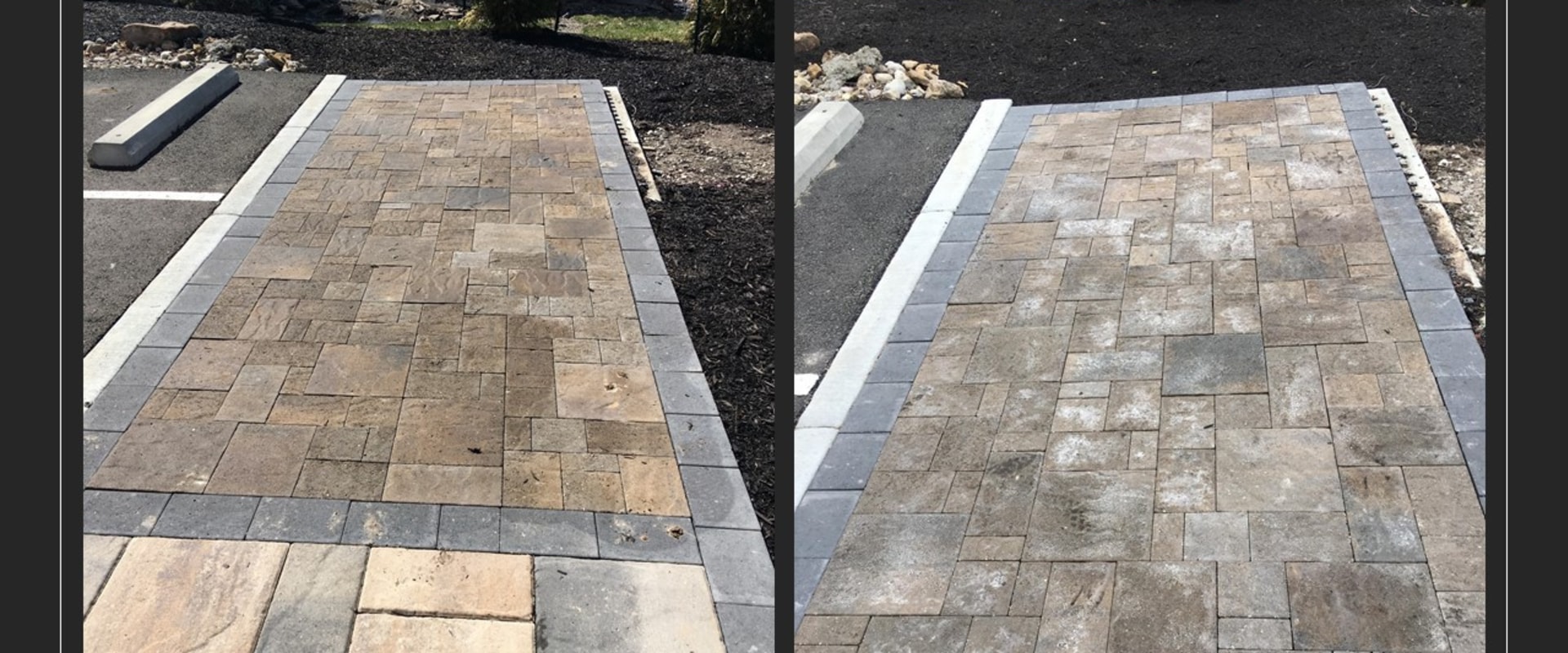
Efflorescence is a common issue that many homeowners encounter when dealing with pavers. It manifests as a white, powdery substance that appears on the surface of the pavers, often detracting from their aesthetic appeal. This phenomenon occurs when water-soluble salts within the paver material or the underlying soil are brought to the surface by moisture. As the water evaporates, these salts crystallize, resulting in the unsightly white deposits that can mar the beauty of your outdoor spaces. Understanding the causes of efflorescence is crucial for effective paver maintenance.
Several factors contribute to this issue, including poor drainage, excessive moisture, and the use of low-quality materials. When water seeps into the pavers or the base beneath them, it can carry these salts to the surface. Additionally, environmental conditions such as high humidity or rainfall can exacerbate the problem. Recognizing these causes allows homeowners to take proactive measures to prevent efflorescence from occurring in the first place. Addressing efflorescence is not just about aesthetics; it plays a vital role in maintaining the integrity and longevity of your pavers.
If left untreated, these salt deposits can lead to more severe issues, such as surface deterioration and structural damage over time. Therefore, understanding efflorescence and its causes is essential for anyone looking to preserve their outdoor investments and ensure that their paver surfaces remain both beautiful and functional.
Identifying Efflorescence on Pavers
Efflorescence is a common issue that can affect the appearance and longevity of your pavers. Recognizing it early is crucial for effective paver maintenance. Here are some key signs to help you identify efflorescence on your pavers:- White Powdery Residue: The most noticeable sign of efflorescence is a white, chalky substance that appears on the surface of the pavers.
This residue is composed of soluble salts that have migrated to the surface as water evaporates.
- Faded Color: Pavers affected by efflorescence may appear dull or faded compared to unaffected areas. The vibrant colors of the pavers can be obscured by the white deposits, making them look less appealing.
- Moisture Presence: Efflorescence often occurs in areas where moisture is prevalent. If you notice persistent dampness or pooling water around your pavers, it may create an environment conducive to efflorescence.
- Cracking or Spalling: In severe cases, the buildup of salts can lead to cracking or spalling of the paver surface. This not only affects aesthetics but can also compromise the structural integrity of the pavers.
Efflorescence typically occurs when:
- The pavers are made from porous materials that absorb water.
- There is inadequate drainage, causing water to accumulate around the pavers.
- The weather conditions are humid or rainy, which increases moisture levels in the soil and surrounding environment.
Preventive Measures for Efflorescence
Preventing efflorescence on pavers is essential for maintaining their aesthetic appeal and longevity. By implementing effective paver maintenance practices, homeowners can significantly reduce the likelihood of this unsightly issue.1.Proper Drainage Solutions
One of the primary causes of efflorescence is excess moisture. To combat this, ensure that your paver installation includes adequate drainage systems. Here are some tips:- Grade the area: Ensure that the ground slopes away from the pavers to prevent water accumulation.
- Install drainage channels: Use drainage channels or French drains to redirect water away from paved surfaces.
- Avoid overwatering: If you have nearby gardens, be mindful of watering practices that could lead to excess moisture around your pavers.
2.Regular Cleaning
Routine cleaning can help prevent the buildup of salts and minerals that contribute to efflorescence.Consider these cleaning tips:
- Use a broom: Sweep your pavers regularly to remove dirt and debris.
- Pressure wash: Occasionally use a pressure washer to clean the surface, but be cautious not to damage the pavers.
- Avoid harsh chemicals: Stick to mild detergents that won’t harm the paver material.
3.Sealing Pavers
Applying a high-quality sealant is one of the most effective ways to prevent efflorescence. Here’s how sealing helps:- Create a barrier: Sealants form a protective layer that prevents moisture from penetrating the pavers.
- Select the right sealant: Choose a breathable sealant that allows moisture vapor to escape while blocking liquid water.
- Reapply regularly: Depending on the product, reseal your pavers every 1-3 years to maintain effectiveness.
Methods for Removing Efflorescence from Pavers
Efflorescence, the white, powdery substance that can appear on pavers, is a common issue that can detract from the aesthetic appeal of your outdoor spaces. Fortunately, there are several effective methods for removing efflorescence from pavers, ensuring they remain clean and visually appealing.Chemical Cleaning Solutions
- Commercial Efflorescence Removers: These products are specifically designed to tackle efflorescence. They typically contain acids or other chemicals that dissolve the mineral deposits.
Always follow the manufacturer's instructions for application and safety precautions.
- Vinegar Solution: A natural alternative is a mixture of vinegar and water. Combine one part vinegar with three parts water, apply it to the affected areas, and scrub gently with a brush. Rinse thoroughly with water afterward.
Natural Cleaning Techniques
- Baking Soda Paste: Create a paste using baking soda and water. Apply it to the efflorescence, let it sit for about 15 minutes, then scrub with a stiff brush before rinsing off.
- Pressure Washing: For larger areas, a pressure washer can effectively remove efflorescence.
Use a fan tip nozzle and keep the pressure moderate to avoid damaging the pavers.
Preventive Measures
To minimize future occurrences of efflorescence, consider sealing your pavers with a high-quality sealant after cleaning. This creates a barrier that helps prevent moisture from penetrating the surface and causing mineral deposits to form.Regular paver maintenance, including cleaning and sealing, will not only enhance the appearance of your outdoor space but also prolong the life of your pavers. By employing these efflorescence removal techniques, you can keep your pavers looking their best year-round.
DIY vs. Professional Removal: What You Need to Know
When it comes to removing efflorescence from pavers, homeowners often face a choice between DIY methods and hiring professional cleaning services.Each approach has its own set of advantages and disadvantages that can influence your decision.
DIY Efflorescence Removal
Many homeowners opt for DIY methods due to the potential cost savings. Common DIY techniques include:- Using a stiff brush: Scrubbing the affected area with a stiff-bristled brush can effectively remove surface efflorescence.
- Vinegar solution: A mixture of vinegar and water can help dissolve mineral deposits, making it easier to clean the pavers.
- Pressure washing: For more stubborn stains, a pressure washer can be an effective tool, but caution is needed to avoid damaging the pavers.
Professional Cleaning Services
On the other hand, hiring professionals for efflorescence removal offers several benefits:- Expertise: Professionals have the experience and knowledge to identify the best methods for your specific type of paver and level of efflorescence.
- Advanced equipment: They often use specialized tools and cleaning solutions that are more effective than typical household products.
- Time-saving: Hiring a professional can save you time and effort, allowing you to focus on other home maintenance tasks.
Assessing these factors will help you make an informed decision that best suits your paver maintenance needs.
Frequently Asked Questions about Efflorescence and Paver Maintenance
Efflorescence is a common issue that many homeowners encounter when maintaining their pavers. Below are some frequently asked questions that can help you understand and manage this phenomenon effectively.What is efflorescence?
Efflorescence is a white, powdery substance that appears on the surface of pavers due to the migration of soluble salts. When water evaporates from the paver surface, it leaves behind these salts, which can detract from the aesthetic appeal of your outdoor space.How can I prevent efflorescence on my pavers?
- Seal your pavers: Applying a high-quality sealant can create a barrier that prevents moisture from penetrating the pavers, thereby reducing the chances of efflorescence.
- Ensure proper drainage: Make sure your landscape is designed to direct water away from your paver surfaces. This will minimize water accumulation and reduce salt migration.
- Regular cleaning: Keeping your pavers clean and free from debris can help prevent moisture retention, which is a key factor in efflorescence formation.
How do I remove efflorescence from my pavers?
To effectively remove efflorescence, follow these steps:- Brush it off: Use a stiff-bristled brush to scrub the affected area gently.
This can often remove the surface layer of efflorescence.
- Use a vinegar solution: Mix equal parts of white vinegar and water, then apply it to the affected area. Let it sit for about 10 minutes before scrubbing again with a brush.
- Rinse thoroughly: After scrubbing, rinse the area with clean water to remove any remaining vinegar and loosened salts.
What are some best practices for general paver maintenance?
- Regular inspections: Check your pavers periodically for signs of wear, shifting, or damage.
- Weed control: Keep weeds at bay by applying a weed killer or regularly pulling them out by hand.
- Resanding joints: Over time, sand in the joints may wash away. Replenishing this sand helps maintain stability and prevents weed growth.
Conclusion: Maintaining Beautiful Pavers Without Efflorescence
In conclusion, maintaining beautiful pavers free from efflorescence is not only achievable but essential for preserving the aesthetic appeal and longevity of your outdoor spaces. Throughout this article, we have explored various methods for removing efflorescence and emphasized the importance of regular maintenance to prevent its recurrence.To recap, here are the key strategies for effective paver maintenance:- Regular Cleaning: Keeping your pavers clean by regularly sweeping and washing them helps prevent the buildup of dirt and moisture that can lead to efflorescence.
- Sealing Pavers: Applying a high-quality sealant creates a protective barrier against moisture infiltration, significantly reducing the chances of efflorescence forming.
- Proper Drainage: Ensuring that your paver installation has adequate drainage will help keep water from pooling, which is a primary cause of efflorescence.
- Timely Repairs: Addressing any cracks or damage promptly can prevent water from seeping into the pavers and causing efflorescence.
Remember, proactive maintenance is key; it not only enhances the beauty of your outdoor areas but also extends the life of your pavers. Investing time in regular upkeep will pay off in the long run, ensuring that your hardscapes remain stunning and functional for years to come.