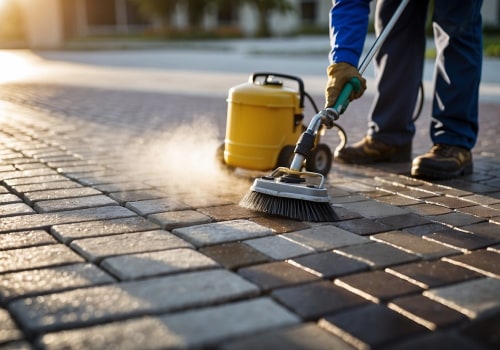
Paver maintenance is a crucial aspect of home and landscape care that often goes overlooked. These durable surfaces, whether used for driveways, patios, or walkways, can significantly enhance the aesthetic appeal and functionality of your outdoor spaces. However, like any other element of your property, they require regular attention to ensure they remain in optimal condition.
Understanding the importance of paver care
is essential for homeowners who wish to prolong the life of their investment and maintain the beauty of their surroundings. Regular maintenance not only helps in preserving the structural integrity of pavers but also prevents costly repairs or replacements down the line.Simple tasks such as cleaning, sealing, and addressing minor damages can go a long way in extending the lifespan of your pavers. Moreover, the benefits of maintaining pavers extend beyond mere aesthetics; they also contribute to safety by reducing the risk of slips and falls caused by uneven or damaged surfaces. As we delve deeper into this topic, it becomes vital to recognize when maintenance is no longer sufficient and replacement becomes the more viable option. By understanding the signs that indicate it's time to replace pavers instead of merely trying to maintain them, homeowners can make informed decisions that will ultimately save time and money while ensuring their outdoor spaces remain inviting and safe.
Common Signs of Paver Wear and Tear
Recognizing the signs of damaged pavers is essential for maintaining the aesthetic and functional integrity of your outdoor spaces. Here are some common indicators that it may be time to consider replacing your pavers rather than attempting further maintenance:- Cracks and Chips: Small cracks can develop into larger ones over time, compromising the structural integrity of the paver.
If you notice multiple pavers with significant cracks or chips, it may be a sign that they are beyond repair.
- Uneven Surfaces: Pavers that have shifted or settled unevenly can create tripping hazards and detract from the overall appearance of your patio or walkway. If leveling efforts have failed, replacement might be necessary.
- Discoloration: Fading colors or stains that do not respond to cleaning efforts can indicate that the pavers have reached the end of their lifespan. This discoloration can be caused by weather exposure, chemical spills, or general wear.
- Weed Growth: Persistent weed growth between pavers can signal that the joints are compromised. If weeds continue to sprout despite regular maintenance, it may be time to replace the affected pavers.
- Pooling Water: If water is consistently pooling on your pavers after rain, it could indicate improper drainage or settling issues.
This not only affects aesthetics but can also lead to further damage.
When Maintenance is No Longer Effective
When it comes to paver maintenance, there are certain signs that indicate your efforts may be better spent on replacement rather than repair. Understanding these signs can save you time, money, and frustration in the long run.- Severe Cracking or Chipping: If your pavers are extensively cracked or chipped, patching them may only provide a temporary fix. Over time, these issues can worsen, leading to further damage and safety hazards.
- Uneven Surfaces: Pavers that have settled unevenly can create tripping hazards and make maintenance more challenging.
If leveling them requires frequent adjustments, it might be time to consider new pavers.
- Persistent Weeds and Moss: While some weed growth is manageable, if you find that weeds and moss are continually breaking through despite regular cleaning and sealing, this could indicate that the integrity of the paver joints is compromised.
- Fading Color: A significant loss of color can indicate that the surface sealant has worn off. If resealing does not restore the original appearance, replacement may be necessary to enhance curb appeal.
- Drainage Issues: If water is pooling on your pavers instead of draining away, it could signal a failure in the base or joint structure. This not only affects aesthetics but can also lead to further deterioration.
If you find yourself frequently repairing the same areas or if the overall condition of your pavers continues to decline despite your best efforts, it may be time to consult a professional about replacement options.
Cost Analysis: Repairing vs. Replacing Pavers
When considering paver maintenance, one of the most critical decisions homeowners face is whether to invest in ongoing repairs or to opt for a complete replacement. Understanding the cost of paver repair versus the cost of replacing pavers can significantly influence this decision.Cost of Paver Repair
- Minor repairs, such as re-leveling or replacing a few damaged pavers, can range from $1 to $3 per square foot.
- More extensive repairs, including fixing drainage issues or addressing root damage, may cost between $5 and $10 per square foot.
- Regular maintenance tasks, like sealing and cleaning, typically cost around $0.50 to $1.50 per square foot annually.
Cost of Replacing Pavers
- The average cost for complete paver replacement can range from $10 to $25 per square foot, depending on the material and design.
- Additional costs may arise from site preparation, which can add another $2 to $5 per square foot.
- Long-term benefits of replacement include increased property value and reduced future maintenance costs.
Financial Considerations for Paver Maintenance
While repairing pavers may seem more economical in the short term, it’s essential to consider the long-term implications. Frequent repairs can accumulate costs that exceed the price of a full replacement over time.
Additionally, if your pavers are consistently showing signs of wear and tear, investing in a new installation may provide better durability and aesthetic appeal.Ultimately, evaluating the financial considerations for paver maintenance involves assessing not only immediate costs but also potential future expenses. If repairs are becoming more frequent and costly, it may be time to consider a complete replacement as a more viable long-term solution.
Impact of Weather and Environment on Paver Longevity
Understanding the impact of weather and environmental factors on the longevity of your pavers is crucial for effective paver maintenance. Different climates can significantly affect the durability and appearance of your pavers, leading to potential deterioration that may necessitate replacement rather than mere maintenance.Weather Effects on Pavers
- Rain and Moisture: Excessive moisture can lead to erosion and the growth of mold or mildew, which can weaken the structural integrity of pavers. In areas with heavy rainfall, it’s essential to regularly check for signs of water pooling or shifting.
- Extreme Temperatures: Fluctuations between freezing and thawing can cause pavers to crack.
In regions with harsh winters, ice can seep into small cracks, expanding and worsening the damage.
- Sun Exposure: Prolonged exposure to UV rays can fade colors and weaken materials. If your pavers are in direct sunlight for most of the day, consider using protective sealants to prolong their lifespan.
Environmental Impact on Paver Lifespan
- Soil Movement: Shifting soil due to heavy rains or drought can cause pavers to become uneven. Regularly inspect for any signs of movement that could indicate underlying soil issues.
- Vegetation Growth: Weeds and roots can infiltrate the joints between pavers, leading to displacement. If you notice significant plant growth, it may be time to assess whether your pavers are still secure.
- Pollution: In urban areas, pollution can lead to staining and degradation of paver materials.
Regular cleaning may be necessary to maintain their appearance and functionality.
Climate Considerations for Pavers
Your local climate plays a pivotal role in determining how often you should inspect and maintain your pavers. For instance, if you live in a region with high humidity or frequent storms, you may need to replace pavers more often than in drier climates. Always consider these factors when evaluating the condition of your pavers, as they can help you make informed decisions about maintenance versus replacement.
FAQs About Paver Maintenance and Replacement
When it comes to paver maintenance, homeowners often have questions about when to repair versus when to replace their pavers. Here are some frequently asked questions that can help clarify these concerns:- What are the signs that my pavers need replacing? If you notice significant cracks, uneven surfaces, or extensive discoloration, it may be time to consider replacement.
Additionally, if weeds are consistently growing through the joints despite regular maintenance, this could indicate that the integrity of the pavers has been compromised.
- Can I maintain my pavers instead of replacing them? In many cases, yes! Regular cleaning, sealing, and re-sanding can extend the life of your pavers. However, if the damage is extensive or structural issues are present, maintenance may only be a temporary fix.
- How often should I perform paver maintenance? It’s recommended to clean and seal your pavers every 1-3 years, depending on the type of paver and environmental conditions. Regular inspections can also help catch minor issues before they escalate.
- What is the cost difference between maintaining and replacing pavers? Maintenance costs are generally lower than replacement costs. However, if you wait too long to address issues through maintenance, you may end up spending more on a full replacement later.
Always consult with a professional if you're unsure about the condition of your pavers or the best course of action.
Conclusion: Making the Right Choice for Your Pavers
In conclusion, understanding when to replace your pavers rather than simply maintaining them is crucial for ensuring the longevity and aesthetic appeal of your outdoor spaces. Throughout this article, we have highlighted several key signs that indicate it may be time to consider a replacement. Firstly, extensive cracking or shifting of pavers can compromise the integrity of your surface. If you notice that repairs are becoming more frequent and costly, it may be a signal that replacement is the more economical choice in the long run. Secondly, uneven surfaces not only detract from the beauty of your landscape but can also pose safety hazards. If leveling efforts are unsuccessful and the unevenness persists, replacing the pavers could provide a safer and more visually appealing solution. Additionally, if you find that weeds are consistently breaking through the joints despite regular maintenance, this could indicate that the paver system is no longer functioning as intended.A new installation can help restore the desired look and functionality. Lastly, consider the overall aesthetic of your outdoor area. If your pavers have faded significantly or no longer match your home’s style, investing in new pavers can enhance your property’s curb appeal. Ultimately, making an informed decision about whether to maintain or replace your pavers involves assessing their condition and weighing the costs of ongoing maintenance against a potential replacement. By recognizing these signs early on, you can ensure that your outdoor spaces remain beautiful and functional for years to come.