Efflorescence is a common phenomenon that can affect the aesthetic appeal of new pavers. It manifests as a white, powdery substance on the surface of the pavers, often leading to concerns about the integrity and appearance of your hardscaping investment. Understanding what efflorescence is and its underlying causes is essential for effective paver maintenance and prevention strategies. At its core, efflorescence occurs when water-soluble salts within the concrete or masonry materials dissolve in water and migrate to the surface. As the water evaporates, these salts are left behind, forming a visible white residue.
This process is not only unsightly but can also indicate underlying moisture issues that may compromise the durability of your pavers over time. Several factors contribute to the occurrence of efflorescence on pavers. One primary cause is the presence of excess moisture during the curing process of concrete. Additionally, environmental conditions such as high humidity or rain can exacerbate the situation. Poor drainage or inadequate sealing can also lead to increased moisture retention, making efflorescence more likely.
By understanding these causes, homeowners can take proactive steps in their paver maintenance routines to minimize the risk of efflorescence and maintain the beauty of their outdoor spaces.
The Importance of Paver Maintenance
Maintaining your pavers is crucial for ensuring their longevity and aesthetic appeal.Paver maintenance
not only enhances the visual charm of your outdoor spaces but also plays a significant role in preventing issues such as efflorescence, which can mar the surface of new pavers.Regular maintenance involves several key practices that contribute to the overall health of your pavers:- Cleaning: Regularly sweeping and washing your pavers helps remove dirt, debris, and organic matter that can promote efflorescence.
- Sealing: Applying a high-quality sealant creates a protective barrier against moisture infiltration, which is a primary cause of efflorescence.
- Joint Maintenance: Keeping the joints filled with sand or polymeric sand prevents weed growth and minimizes water penetration, further reducing the risk of efflorescence.
- Aesthetic Appeal: Well-maintained pavers retain their color and texture, enhancing the beauty of your landscape.
- Durability: Regular maintenance extends the lifespan of your pavers, saving you money on replacements and repairs.
- Safety: Keeping pavers clean and free from moss or algae reduces slip hazards, making your outdoor areas safer for family and guests.
Preventive Measures Against Efflorescence
Preventing efflorescence on new pavers is crucial for maintaining their aesthetic appeal and longevity.Here are some effective strategies to consider:
- Choose Quality Materials: Start with high-quality pavers that are less prone to efflorescence. Look for products that have been treated to resist moisture absorption.
- Proper Installation: Ensure that pavers are installed correctly. This includes using the right base materials and ensuring proper drainage. Poor drainage can lead to excess moisture, which contributes to efflorescence.
- Seal the Pavers: Applying a high-quality sealant after installation can significantly reduce the risk of efflorescence.
Sealants create a barrier that prevents moisture from penetrating the surface of the pavers.
- Avoid Excess Water: During the curing process, avoid over-watering the pavers. Excess water can lead to increased moisture levels, which can trigger efflorescence.
- Regular Maintenance: Implement a routine maintenance schedule that includes cleaning the pavers with a mild detergent and water. This helps remove any surface deposits before they can develop into efflorescence.
- Monitor Environmental Conditions: Be aware of environmental factors such as humidity and temperature. If you live in an area with high humidity, consider using dehumidifiers or fans during installation and curing.
Regular paver maintenance not only enhances their appearance but also extends their lifespan, ensuring your outdoor spaces remain beautiful for years to come.
Choosing the Right Materials for Pavers
When it comes to paver maintenance, the choice of materials plays a crucial role in preventing efflorescence. Efflorescence occurs when moisture evaporates from the surface of pavers, leaving behind white, powdery deposits of salts. To minimize this risk, selecting the right materials is essential.Best Materials for Pavers
There are several types of paver materials available, each with unique properties that can influence moisture absorption and chemical composition:- Concrete Pavers: These are popular due to their durability and versatility. However, they can be prone to efflorescence if not properly sealed.
Choosing high-quality concrete with low water absorption rates can help mitigate this issue.
- Clay Pavers: Known for their natural beauty and strength, clay pavers are less likely to experience efflorescence compared to concrete. Their dense structure reduces moisture penetration, making them a favorable option.
- Natural Stone Pavers: Materials like granite and slate are excellent choices for preventing efflorescence. Their natural resistance to moisture and salts makes them ideal for outdoor applications.
Paver Material Selection
When selecting paver materials, consider the following factors:- Moisture Content: Opt for materials with low moisture retention to reduce the chances of efflorescence.
- Sealants: Applying a high-quality sealant can create a barrier against moisture and salts, further protecting your pavers.
- Installation Techniques: Proper installation methods can also influence how well pavers resist moisture infiltration.
Sealing Pavers: A Key Step in Maintenance
One of the most effective ways to prevent efflorescence on new pavers is through proper sealing. Sealing not only enhances the appearance of your pavers but also acts as a protective barrier against moisture and contaminants that can lead to efflorescence.Benefits of Sealing Pavers
- Moisture Resistance: Sealers create a waterproof layer that prevents water from penetrating the paver surface, reducing the chances of efflorescence.
- Stain Protection: A good sealer protects against stains from oil, dirt, and other substances that can mar the beauty of your pavers.
- Enhanced Color: Sealers can enhance the natural color of pavers, making them look vibrant and new for longer.
How to Seal Pavers
Sealing pavers is a straightforward process, but it requires careful attention to detail.
Here are the steps to follow:
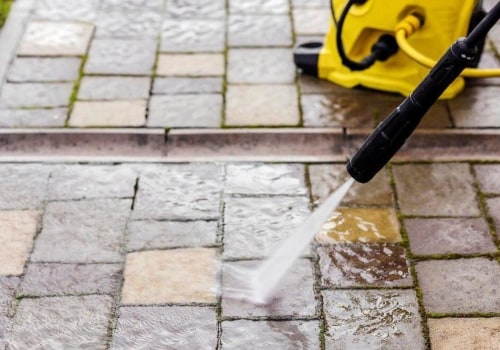
- Clean the Surface: Before applying any sealer, ensure that the paver surface is clean and free from debris. Use a pressure washer or a stiff broom to remove dirt and grime.
- Select the Right Sealer: Choose a sealer that is appropriate for your type of pavers. There are two main types: film-forming sealers, which create a protective layer on top, and penetrating sealers, which soak into the paver material.
- Apply the Sealer: Use a roller or sprayer to apply an even coat of sealer. Be sure to follow the manufacturer's instructions regarding application rates and drying times.
- Allow to Cure: After application, allow the sealer to cure fully before exposing it to moisture or foot traffic.
This typically takes 24-48 hours.
Timing for Sealing New Pavers
The ideal time to seal new pavers is after they have fully cured, which usually takes about 30 days. This waiting period allows any residual moisture to evaporate, ensuring better adhesion of the sealer. Regular maintenance, including resealing every 1-3 years depending on wear and environmental conditions, will help maintain their protective qualities and appearance.
Common Myths About Efflorescence and Paver Maintenance
When it comes to paver maintenance, there are several myths surrounding efflorescence that can lead to confusion and misinformed decisions. Understanding these misconceptions is crucial for effective care and prevention.- Myth 1: Efflorescence is a sign of poor quality pavers.
Many believe that the presence of efflorescence indicates inferior materials.In reality, efflorescence can occur in high-quality pavers as well, due to the natural chemical reactions between water and soluble salts present in the concrete.
- Myth 2: Efflorescence can be completely prevented.
While it is impossible to eliminate efflorescence entirely, proper paver maintenance can significantly reduce its occurrence. This includes ensuring proper drainage, sealing pavers, and using high-quality materials. - Myth 3: Once efflorescence appears, it cannot be removed.
This is not true. Efflorescence can often be cleaned off with appropriate methods, such as using a stiff brush or a specialized efflorescence cleaner. Regular maintenance can help keep your pavers looking their best. - Myth 4: Sealing pavers will prevent efflorescence.
While sealing can help minimize moisture absorption, it does not guarantee that efflorescence will not occur.It is essential to combine sealing with other maintenance practices for optimal results.
FAQs About Efflorescence and Paver Care
Efflorescence is a common concern for homeowners with pavers, and understanding it can help in maintaining your outdoor spaces effectively. Here are some frequently asked questions about efflorescence and paver care:What is efflorescence?
Efflorescence is a white, powdery substance that can appear on the surface of pavers due to the migration of soluble salts. When water evaporates from the paver surface, these salts are left behind, creating an unsightly appearance.Can efflorescence be prevented?
While it may not be possible to completely prevent efflorescence, there are several paver maintenance practices that can significantly reduce its occurrence:- Choose high-quality pavers: Opt for pavers that are specifically designed to resist efflorescence.
- Seal your pavers: Applying a high-quality sealant can create a barrier that minimizes moisture absorption and salt migration.
- Avoid excessive water: Limit the amount of water used during cleaning and maintenance to reduce the chances of salt buildup.
How can I remove efflorescence if it appears?
If you notice efflorescence on your pavers, it can typically be removed with a simple cleaning solution.Here’s how:
- Mix equal parts of vinegar and water in a spray bottle.
- Spray the affected areas and let it sit for about 10-15 minutes.
- Scrub gently with a stiff brush and rinse thoroughly with clean water.
How often should I maintain my pavers?
A regular maintenance schedule is essential for keeping your pavers in good condition. Aim to perform basic maintenance tasks such as cleaning and sealing every 1-2 years, depending on your local climate and usage patterns. By addressing these common questions about efflorescence and paver care, you can ensure that your outdoor spaces remain beautiful and functional for years to come.Conclusion: Key Takeaways on Preventing Efflorescence on New Pavers
In conclusion, preventing efflorescence on new pavers is not only possible but essential for maintaining their aesthetic appeal and structural integrity. By implementing the right paver maintenance practices, homeowners can significantly reduce the risk of this unsightly issue. Here are the key takeaways to remember:- Choose Quality Materials: Opt for high-quality pavers that are less prone to efflorescence.
Look for products that have been treated to resist moisture absorption.
- Proper Installation: Ensure that pavers are installed correctly with adequate drainage. Poor installation can lead to water pooling, which increases the likelihood of efflorescence.
- Sealants Matter: Applying a high-quality sealant can create a barrier against moisture. This is a crucial step in paver maintenance, as it helps prevent water from penetrating the surface.
- Regular Cleaning: Keep your pavers clean and free from debris. Regular cleaning helps to remove any potential sources of moisture that could contribute to efflorescence.
- Monitor Weather Conditions: Be mindful of weather patterns.
If heavy rain is expected, consider covering your pavers to minimize water exposure during the initial curing period.