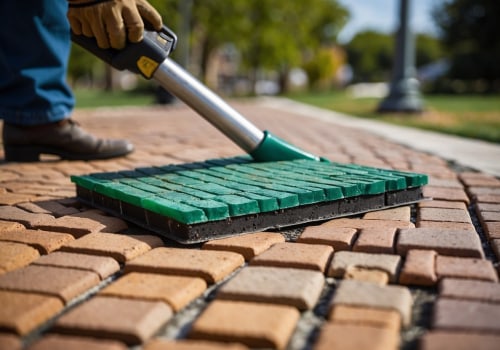
Paver maintenance is a crucial aspect of property upkeep that often goes overlooked. It involves a series of tasks aimed at preserving the aesthetic appeal and structural integrity of paved surfaces, whether they are driveways, patios, or walkways. Regular maintenance not only enhances the visual charm of your outdoor spaces but also extends the lifespan of the pavers themselves. Understanding what paver maintenance entails is essential for homeowners and property managers alike. The importance of paver maintenance cannot be overstated.
Over time, environmental factors such as rain, snow, and UV exposure can lead to wear and tear on pavers. Without proper care, these surfaces can become stained, cracked, or even unsafe for use. By investing in routine maintenance, you can prevent costly repairs down the line and ensure that your pavers remain in top condition. This proactive approach not only saves money but also enhances safety for those who use these surfaces. Moreover, the benefits of paver maintenance extend beyond mere aesthetics and functionality.
Regular cleaning and sealing can help resist weed growth and inhibit the development of mold or mildew, which can be detrimental to both the appearance and safety of your paved areas. Additionally, well-maintained pavers can significantly increase your property’s value, making it an attractive feature for potential buyers. In essence, understanding the significance of paver maintenance sets the foundation for discussing how often these essential tasks should be performed.
Factors Influencing Paver Maintenance Frequency
When considering paver maintenance, several key factors influence how often you should schedule professional upkeep. Understanding these elements can help homeowners make informed decisions about their outdoor spaces.Climate and Weather Conditions
The local climate plays a significant role in determining the frequency of paver maintenance.In regions with extreme weather conditions, such as heavy rainfall, snow, or intense heat, pavers may experience more wear and tear. For instance, areas with frequent freeze-thaw cycles can lead to cracking and shifting of pavers, necessitating more regular inspections and maintenance.
Usage and Traffic Levels
The amount of foot or vehicle traffic on your pavers also affects maintenance needs. High-traffic areas, such as driveways or patios used for entertaining, will require more frequent cleaning and sealing to prevent stains and damage. Conversely, pavers in less frequented areas may not need as much attention.Material Type
The type of material used for your pavers can influence maintenance frequency as well.For example, natural stone pavers may require different care compared to concrete or brick pavers. Some materials are more porous and susceptible to staining, while others may be more durable but still need periodic sealing to maintain their appearance.
Environmental Factors
Surrounding vegetation and landscaping can also impact paver maintenance. Overhanging trees may drop leaves and debris that can stain or damage pavers if not regularly cleaned. Additionally, soil erosion or shifting ground can affect the stability of pavers, requiring more frequent adjustments and repairs. In summary, the recommended frequency for professional paver maintenance varies based on climate, usage, material type, and environmental factors.Homeowners should assess these elements regularly to ensure their pavers remain in optimal condition.
Recommended Maintenance Schedule for Pavers
Maintaining your pavers is essential for their longevity and aesthetic appeal. A well-planned paver maintenance schedule can help you keep your outdoor spaces looking pristine throughout the year. Here’s a recommended schedule to follow:Spring Maintenance
- Inspect for Damage: After winter, check for any cracks or shifting in the pavers.
- Weed Control: Remove any weeds that may have sprouted between the pavers.
- Power Washing: Clean the surface to remove dirt, grime, and algae buildup.
- Joint Sand Replacement: Refill any sand that has washed away from the joints.
Summer Maintenance
- Regular Cleaning: Sweep regularly to prevent debris accumulation.
- Sealant Application: Consider applying a sealant to protect against UV rays and stains.
- Irrigation Check: Ensure that your irrigation system is not over-saturating the pavers.
Fall Maintenance
- Leaf Removal: Clear fallen leaves to prevent staining and mold growth.
- Inspect for Shifting: Check for any movement in the pavers due to temperature changes.
- Prepare for Winter: Apply a winter sealant if necessary to protect against freeze-thaw cycles.
Winter Maintenance
- Avoid Salt Use: Use sand or kitty litter instead of salt to prevent damage to the pavers.
- Shoveling Snow: Use a plastic shovel to avoid scratching the surface of the pavers.
Common Paver Maintenance Tasks
Maintaining your pavers is essential for ensuring their longevity and aesthetic appeal.Here are some common paver maintenance tasks that every homeowner should consider:
Paver Cleaning Methods
Regular cleaning is crucial to prevent dirt, grime, and stains from accumulating on your pavers. Here are some effective cleaning methods:- Pressure Washing: This method uses high-pressure water to remove stubborn stains and debris. It’s effective but should be used cautiously to avoid damaging the pavers.
- Soap and Water: For routine cleaning, a mixture of mild soap and water can be used with a stiff brush to scrub the surface.
- Specialized Cleaners: There are various commercial cleaners designed specifically for pavers that can help remove oil stains or mildew.
Sealing Pavers
Sealing your pavers is an important step in paver maintenance. A good sealant protects against moisture, stains, and UV damage.It is generally recommended to seal your pavers every 1-3 years, depending on the type of sealant used and the environmental conditions. Here’s how to do it:
- Choose the Right Sealant: Select a sealant that suits your specific type of paver material.
- Apply Evenly: Use a roller or sprayer to apply the sealant evenly across the surface.
- Allow Proper Drying Time: Follow the manufacturer’s instructions for drying time before using the area.
Repairing Pavers
If you notice any cracked or uneven pavers, timely repairs are essential. Here are some steps to follow:- Identify Damage: Regularly inspect your pavers for cracks or shifting.
- Replace or Relevel: For damaged pavers, consider replacing them or re-leveling them if they have shifted.
- Fill Gaps: Use polymeric sand to fill gaps between pavers to prevent weed growth and stabilize the surface.
Weeds and Moss Removal from Pavers
Weeds and moss can detract from the beauty of your paved surfaces. To effectively manage this issue:- Manual Removal: Pull weeds by hand or use a weeding tool for thorough removal.
- Chemical Treatments: Consider using herbicides specifically designed for use on hardscapes, but ensure they are safe for your environment.
- Moss Prevention: Keep your pavers dry and well-drained to discourage moss growth.
Signs Your Pavers Need Immediate Attention
Recognizing the signs that your pavers need immediate attention is crucial for maintaining their integrity and appearance.Ignoring these indicators can lead to more extensive damage and costly repairs down the line. Here are some key signs to watch for:
- Cracks and Chips: Small cracks may seem insignificant, but they can quickly worsen. If you notice chips or cracks in your pavers, it’s time to consider professional paver maintenance.
- Uneven Surfaces: If your pavers are shifting or settling unevenly, this could indicate underlying issues with the base material. Uneven surfaces not only look unappealing but can also pose safety hazards.
- Weeds and Moss Growth: The presence of weeds or moss between pavers is a clear sign that your paver joints are compromised.
This can lead to further erosion and instability.
- Stains and Discoloration: Persistent stains from oil, rust, or other substances can detract from the beauty of your pavers. If cleaning doesn’t restore their original look, professional help may be necessary.
- Pooling Water: If you notice water pooling on your pavers after rain, it may indicate poor drainage or settling issues. This can lead to further damage if not addressed promptly.
Regular inspections and timely interventions can save you from more significant expenses in the future.
DIY vs. Professional Paver Maintenance: What You Need to Know
When it comes to paver maintenance, homeowners often find themselves at a crossroads: should they tackle the upkeep themselves or hire a professional? Each option has its own set of advantages and disadvantages that can significantly impact the longevity and appearance of your pavers.DIY Paver Maintenance Tips
For those who enjoy hands-on projects, DIY paver maintenance can be a rewarding experience. Here are some essential tips:- Regular Cleaning: Sweep your pavers regularly to remove dirt and debris. A pressure washer can be used for deeper cleaning, but be cautious not to damage the joints.
- Weed Control: Keep weeds at bay by applying a weed killer or using natural methods like vinegar.
Regularly inspect the joints for any signs of growth.
- Sealing: Consider sealing your pavers every few years to protect them from stains and weather damage. This can enhance their color and prolong their lifespan.
Hiring a Professional for Paver Care
If you prefer to leave the work to the experts, hiring a professional for paver maintenance can ensure that the job is done correctly. Professionals typically offer comprehensive services, including:- Thorough Inspection: Experts can identify underlying issues that may not be visible to the untrained eye.
- Advanced Techniques: Professionals use specialized equipment and techniques that can provide a deeper clean and more effective sealing.
- Time-Saving: Hiring a professional frees up your time, allowing you to focus on other important tasks or enjoy your outdoor space.
Cost Comparison of DIY vs. Professional Maintenance
The cost of paver maintenance can vary widely depending on whether you choose to go the DIY route or hire a professional.DIY maintenance may seem more economical initially, as it primarily involves purchasing cleaning supplies and sealants. However, consider the time investment and potential for mistakes that could lead to costly repairs down the line.On the other hand, while professional services may come with a higher upfront cost, they often provide long-term savings by preventing damage and ensuring proper care. Ultimately, the choice between DIY and professional maintenance should align with your budget, skill level, and how much time you are willing to invest in maintaining your pavers.
Frequently Asked Questions about Paver Maintenance Frequency
When it comes to paver maintenance, many homeowners have questions about the best practices and frequency to ensure their pavers remain in top condition. Here are some common queries:How often should I seal my pavers?
Sealing your pavers is crucial for protecting them from stains, moisture, and UV damage.It is generally recommended to seal your pavers every 1 to 3 years, depending on the type of paver and the environmental conditions they are exposed to. For instance, pavers in high-traffic areas or those exposed to harsh weather may require more frequent sealing.
Can I pressure wash my pavers too often?
While pressure washing can effectively clean your pavers, doing it too frequently can lead to damage. It is advisable to limit pressure washing to once a year. Overuse can erode the sand between the joints and damage the surface of the pavers, leading to costly repairs.What happens if I neglect paver maintenance?
Neglecting paver maintenance can result in several issues, including:- Weed Growth: Without regular sealing and cleaning, weeds can take root in the joints, compromising the integrity of your pavers.
- Staining: Oil, dirt, and other substances can stain unsealed pavers, making them look unsightly and difficult to clean.
- Structural Damage: Water infiltration can lead to cracks and shifting of pavers if not properly maintained.
By following these guidelines, you can avoid costly repairs and keep your outdoor space looking its best.
Conclusion: Maintaining Your Pavers for Longevity and Beauty
In conclusion, paver maintenance is essential for ensuring the longevity and aesthetic appeal of your outdoor spaces. Regular upkeep not only enhances the visual charm of your pavers but also prevents costly repairs in the future. By adhering to a consistent maintenance schedule, you can protect your investment and enjoy a beautiful landscape for years to come.To recap, here are the key points regarding paver maintenance:- Frequency of Cleaning: It is recommended to clean your pavers at least once a year to remove dirt, debris, and stains.
- Sealing: Applying a sealant every 2-3 years can help protect against weathering and staining.
- Weed Control: Regularly check for weeds and address them promptly to prevent damage to the joints.
- Joint Sand Replacement: Inspect and replenish joint sand as needed to maintain stability and prevent shifting.
Don’t wait for issues to arise; take action now to keep your pavers looking their best.Ultimately, investing time and effort into regular maintenance will yield significant rewards, allowing you to enjoy a stunning outdoor environment that complements your home. Make paver maintenance a priority, and you will reap the benefits for many years ahead.