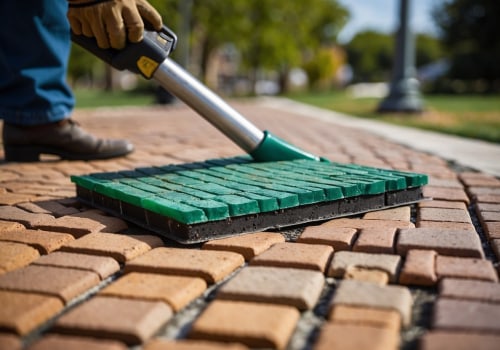
Paver maintenance is a crucial aspect of home and landscape care that often goes overlooked.
Maintaining pavers
not only enhances the aesthetic appeal of your outdoor spaces but also extends the lifespan of your patios and walkways. Over time, exposure to the elements, foot traffic, and other factors can lead to wear and tear, resulting in damaged pavers that may detract from the overall look of your property. Understanding how to properly care for these surfaces is essential for any homeowner looking to preserve their investment. Effective paver care involves regular cleaning, sealing, and inspection to identify potential issues before they escalate.By implementing a routine maintenance schedule, you can prevent minor damages from becoming major problems. This proactive approach not only keeps your pavers looking their best but also ensures that they remain safe and functional for years to come. Whether you have a charming brick walkway or a modern stone patio, the principles of paver maintenance apply universally. In this article, we will explore the various aspects of maintaining pavers, including how to address damage without compromising the overall appearance of your outdoor spaces. With the right knowledge and techniques, you can effectively replace damaged pavers while ensuring that your patio or walkway retains its original charm and character.
Join us as we delve into the world of paver maintenance and discover how to keep your outdoor areas looking pristine.
Identifying Damaged Pavers
Identifying damaged pavers is essential for effective paver maintenance. Recognizing the signs of damage early can prevent further deterioration and ensure the aesthetic appeal of your patio or walkway remains intact.Signs of Paver Damage
- Cracks: Small cracks can develop over time due to weather changes or heavy loads. If left unchecked, these can expand and lead to more significant issues.
- Discoloration: Fading or uneven color can indicate wear from UV exposure or chemical spills, affecting the overall look of your pavers.
- Uneven Surfaces: If you notice pavers that are sinking or lifting, it may be a sign of underlying issues such as poor drainage or soil erosion.
- Weeds and Moss Growth: The presence of weeds or moss between pavers can signal that the joints are compromised, allowing moisture to seep in and cause further damage.
Types of Paver Damage
- Surface Damage: This includes scratches, stains, and fading that affect only the top layer of the paver. Often, these can be remedied with cleaning or sealing.
- Structural Damage: More severe issues like cracks that penetrate through the entire paver require replacement to maintain stability and safety.
- Joint Failure: The material between pavers can degrade over time, leading to shifting and instability.
This often necessitates re-sanding or replacing the joint material.
Assessing the Extent of Damage
When it comes to paver maintenance, the first step in determining whether to repair or replace damaged pavers is to assess the extent of the damage. This evaluation will help you decide if a simple repair can restore the integrity of your patio or walkway, or if a full replacement is necessary.Identifying Types of Damage
- Cracks: Small cracks may be easily filled with a sealant, while larger cracks could indicate underlying issues that require more extensive repairs.
- Chipping: If only a few pavers are chipped, replacing those specific units might suffice. However, widespread chipping may necessitate a more comprehensive approach.
- Unevenness: If pavers have settled unevenly, it could be due to poor installation or shifting soil.
In some cases, re-leveling the existing pavers can resolve the issue without replacement.
When to Replace Pavers
If you notice significant damage that compromises the structural integrity of your patio or walkway, it may be time to consider replacement. Look for signs such as:
- Multiple pavers that are cracked or broken beyond repair.
- Pavers that are sinking or shifting significantly, creating tripping hazards.
- Aesthetic concerns where mismatched replacements would disrupt the overall look.
Repair vs. Replace
The decision between repairing and replacing pavers often hinges on both the extent of the damage and your budget. Repairs can be a cost-effective solution for minor issues, allowing you to maintain the original look of your patio or walkway.
However, if repairs are frequent and extensive, investing in new pavers may ultimately save you time and money in the long run.In conclusion, carefully assessing the damage is crucial in making an informed decision about paver maintenance. By understanding the types of damage and knowing when to replace versus repair, you can ensure that your outdoor spaces remain both functional and visually appealing.
Replacement Options for Damaged Pavers
When it comes to paver maintenance, replacing damaged pavers can be a daunting task, especially if you want to preserve the overall look of your patio or walkway. Fortunately, there are several options available that can help you achieve a seamless repair.- Identifying Matching Pavers: The first step in replacing damaged pavers is to identify the exact type and color of the existing pavers. Many manufacturers offer a range of styles and colors, so it’s essential to check for any specific markings or labels on your current pavers.
If you have leftover pavers from the original installation, those can be the best option for a perfect match.
- Using a Color-Matching Service: If you cannot find matching pavers, consider using a color-matching service. Some suppliers can create custom pavers that closely resemble your existing ones. This option may be more expensive but can ensure that the new pavers blend seamlessly with the old ones.
- Mixing Styles: In some cases, mixing different styles or colors of pavers can create an interesting visual effect while still maintaining harmony. If you choose this route, select complementary colors or patterns that enhance the overall design rather than detract from it.
- Professional Installation: Hiring a professional for the replacement process can also make a significant difference.
Experienced contractors know how to install new pavers in a way that minimizes disruption to the existing layout and ensures proper alignment and leveling.
Techniques for Seamless Replacement
When it comes to seamless paver replacement, the key is to ensure that the new pavers match the existing ones in both color and texture. Here are some effective techniques to achieve this:- Color Matching: Before purchasing replacement pavers, take a sample of your existing pavers to a local supplier. This will help you find an exact or very close match in color.
If the original pavers are no longer available, consider using a dye or stain to alter the color of the new pavers.
- Texture Consistency: The texture of the pavers plays a significant role in their overall appearance. If your existing pavers have a specific finish, such as smooth or textured, ensure that the replacements have a similar finish. This can often be achieved by selecting pavers from the same manufacturer.
- Pattern Alignment: When replacing pavers, pay attention to the pattern in which they are laid. Try to replicate the original layout as closely as possible.
This not only helps with aesthetics but also maintains structural integrity.
- Gradual Integration: If you are replacing multiple pavers, consider doing so gradually rather than all at once. This allows for better blending with the surrounding area and gives you time to assess how well the new pavers integrate with the old ones.
- Jointing Material: Use the same jointing material as was originally used between the pavers. This can help in achieving a uniform look and can also assist in preventing weed growth and shifting.
Maintaining Your Pavers After Replacement
After replacing damaged pavers, it’s crucial to implement a solid paver maintenance routine to ensure the longevity and aesthetic appeal of your patio or walkway.Here are some essential tips for maintaining your newly replaced pavers:
- Regular Cleaning: Keep your pavers clean by sweeping away debris and dirt regularly. For deeper cleaning, use a pressure washer with a mild detergent to remove stains and algae buildup.
- Sealing: Consider applying a high-quality sealant to your new pavers after installation. This protective layer helps prevent staining and enhances the color of the pavers, making them look fresh and vibrant.
- Weed Control: Weeds can disrupt the integrity of your pavers. Regularly inspect the joints for any signs of weed growth and remove them promptly.
Using polymeric sand in the joints can help prevent weed growth.
- Joint Maintenance: Over time, the sand in the joints may wash away. Replenishing this sand is vital for maintaining stability and preventing shifting. Ensure that you use the right type of sand for your specific paver design.
- Inspect for Damage: Regularly check for any signs of damage or shifting in both new and existing pavers. Early detection allows for timely repairs, which can prevent more extensive issues down the line.
Consistent care not only enhances the beauty of your patio or walkway but also extends its lifespan, making it a worthwhile investment.
Frequently Asked Questions about Paver Replacement and Maintenance
When it comes to paver maintenance, many homeowners have questions about the process of replacing damaged pavers and how it impacts the overall appearance of their patios or walkways. Here are some frequently asked questions that can help clarify these concerns.- Can I replace a single damaged paver without affecting the look of my patio?
Yes, you can replace a single damaged paver, but the success of this depends on several factors, including the availability of matching pavers and the age of your existing installation. If your pavers are relatively new, finding an exact match is more likely. However, if they are older, slight color variations may occur. - What steps should I take to ensure a seamless replacement?
To achieve a seamless look after replacing a paver, follow these steps: - Carefully remove the damaged paver without disturbing surrounding ones.
- Clean the area thoroughly to remove any debris or sand.
- Install the new paver, ensuring it is level with adjacent pavers.
- Fill in gaps with sand and compact it to secure the new paver in place.
- How can I maintain the appearance of my patio after repairs?
Regular maintenance is key to keeping your patio looking its best.Here are some tips:
- Seal your pavers every few years to protect against stains and fading.
- Regularly clean your patio with a pressure washer to remove dirt and algae.
- Inspect for any shifting or settling and address issues promptly to prevent further damage.
Conclusion: Ensuring Longevity and Aesthetic Appeal of Your Paved Surfaces
In conclusion, maintaining the integrity and aesthetic appeal of your paved surfaces is crucial for both functionality and visual harmony.Paver maintenance
is not just about keeping your patio or walkway looking good; it also involves ensuring that any damaged pavers are replaced thoughtfully to avoid disrupting the overall design.When considering the replacement of damaged pavers, it is essential to:- Match Colors and Textures: Always select replacement pavers that closely match the existing ones in color and texture. This attention to detail helps maintain a cohesive look.
- Consider Patterns: If your patio or walkway features a specific pattern, ensure that the new pavers can seamlessly integrate into this design.
This may involve consulting with a professional to achieve the best results.
- Regular Inspections: Conduct regular inspections of your paved surfaces to identify any signs of wear or damage early on. This proactive approach can prevent more extensive repairs down the line.
- Utilize Professional Help: If you are unsure about replacing pavers yourself, consider hiring a professional. Their expertise can ensure that replacements are done correctly without compromising the overall aesthetic.