Efflorescence is a common yet often misunderstood phenomenon that can affect the appearance and longevity of pavers. This white, powdery substance typically forms on the surface of pavers when water-soluble salts migrate to the surface and crystallize as the water evaporates. Understanding efflorescence is crucial for effective paver maintenance, as it not only detracts from the aesthetic appeal of your outdoor spaces but can also indicate underlying moisture issues that may lead to more significant problems if left unaddressed. The causes of efflorescence are multifaceted, often stemming from environmental factors, the materials used in paver production, and even the installation process itself. For instance, if pavers are installed in areas with poor drainage or excessive moisture, the likelihood of efflorescence increases significantly.
Additionally, certain types of pavers may contain higher levels of soluble salts, making them more susceptible to this unsightly condition. By recognizing these causes, homeowners and property managers can take proactive steps to mitigate efflorescence and maintain the integrity of their paved surfaces. In this article, we will delve deeper into the specific causes of efflorescence on pavers and explore effective strategies for prevention and remediation. Whether you are a seasoned DIY enthusiast or a newcomer to paver maintenance, understanding how to manage efflorescence will empower you to keep your outdoor spaces looking pristine and prolong the life of your pavers.
What is Efflorescence?
Efflorescence is a common phenomenon that occurs on pavers, characterized by the appearance of white, powdery deposits on the surface. This condition arises from a series of chemical processes involving water-soluble salts that are naturally present in the materials used to create the pavers, such as concrete or brick.When pavers are installed, they often contain moisture.As this moisture evaporates, it can draw soluble salts from within the paver material or from the underlying soil. The process begins when water moves through the paver and dissolves these salts. As the water reaches the surface and evaporates, it leaves behind the salts, which crystallize and form the visible white deposits known as efflorescence.Understanding efflorescence is crucial for effective paver maintenance. Here are some key points to consider:
- Causes: Efflorescence is primarily caused by moisture movement and evaporation.
Factors such as heavy rainfall, poor drainage, or high humidity can exacerbate this issue.
- Appearance: The deposits can vary in size and may appear as a fine dusting or larger patches on the surface of the pavers.
- Impact: While efflorescence is generally not harmful to the structural integrity of pavers, it can be unsightly and may indicate underlying moisture issues that need to be addressed.
The Science Behind Efflorescence Formation
Efflorescence is a common phenomenon observed on pavers, and understanding the science behind its formation is crucial for effective paver maintenance. At its core, efflorescence occurs due to the movement of moisture through the paver material, which often contains soluble salts. When water evaporates from the surface, it leaves behind these salts, resulting in the white, powdery deposits characteristic of efflorescence.How Efflorescence Forms
- Moisture Intrusion: Water can enter pavers through various means, including rain, irrigation, or groundwater.
- Evaporation: As the moisture rises to the surface, it evaporates, leaving behind dissolved salts.
- Salt Crystallization: The evaporation process causes the salts to crystallize on the surface of the pavers.
- Temperature: Higher temperatures can accelerate evaporation rates, leading to more pronounced efflorescence.
- Humidity: In humid conditions, moisture may not evaporate as quickly, potentially reducing efflorescence but increasing the risk of other issues.
- Paver Composition: Different materials have varying levels of soluble salts; thus, some pavers are more prone to efflorescence than others.
Common salts found in pavers include sodium sulfate and calcium carbonate. When these salts dissolve in water, they create a solution that can migrate through the porous structure of the paver. Upon reaching the surface and encountering air, the water evaporates, leaving behind solid salt deposits. This process not only affects aesthetics but can also impact the integrity of the pavers over time if not addressed properly.Understanding these scientific principles is essential for homeowners and property managers alike.
By recognizing how efflorescence forms and what factors contribute to its development, effective strategies for paver maintenance can be implemented to minimize its occurrence and maintain the beauty and durability of paved surfaces.
Common Causes of Efflorescence on Pavers
Efflorescence on pavers is a common issue that can detract from the aesthetic appeal of your outdoor spaces. Understanding the common causes of this phenomenon is essential for effective paver maintenance.One of the primary factors leading to efflorescence is water infiltration. When water seeps into the porous materials of the pavers, it can dissolve soluble salts present in the concrete or mortar. As the water evaporates, these salts are left behind on the surface, resulting in a white, powdery residue.Poor drainage
is another significant contributor to efflorescence.If your paver installation does not have adequate drainage systems in place, water can accumulate and create conditions ripe for efflorescence. This stagnant water can exacerbate the problem by prolonging moisture exposure to the pavers. The material composition of the pavers also plays a crucial role. Some materials are more prone to efflorescence due to their higher salt content. For instance, certain types of concrete and clay pavers may contain natural salts that can leach out when wet. Additionally, environmental factors such as humidity and temperature fluctuations can influence the occurrence of efflorescence.
High humidity levels can increase moisture retention in pavers, while rapid temperature changes can cause water to evaporate quickly, leaving behind salt deposits. To mitigate efflorescence, regular maintenance practices such as sealing pavers and ensuring proper drainage are essential. By addressing these underlying causes, you can maintain the beauty and integrity of your paver surfaces.
Environmental Factors Contributing to Efflorescence
Efflorescence on pavers is often exacerbated by various environmental factors that create the perfect conditions for this unsightly phenomenon. Understanding these factors is crucial for effective paver maintenance.Humidity Levels
One of the primary environmental causes of efflorescence is high humidity. When the air is saturated with moisture, it can lead to increased water absorption in the pavers.
This moisture can dissolve soluble salts present in the concrete or mortar, which then migrate to the surface as the water evaporates, leaving behind a white, powdery residue.
Temperature Fluctuations
Temperature changes also play a significant role in the formation of efflorescence. During warm days, pavers may absorb moisture, and as temperatures drop at night, this moisture can freeze and expand. This cycle of freezing and thawing can cause cracks in the pavers, allowing more moisture to enter and further promoting efflorescence.
Rainfall and Water Drainage
Frequent rainfall can contribute to efflorescence as well. When rainwater seeps into the pavers, it can carry soluble salts from the base materials to the surface.
If proper drainage is not in place, standing water can exacerbate this issue, leading to persistent efflorescence problems.
Wind and Airflow
Wind can also influence humidity levels around pavers. In areas with high winds, moisture may evaporate quickly, but if there are intermittent periods of high humidity followed by dry conditions, it can create a cycle that encourages efflorescence.In summary, understanding how environmental conditions like humidity, temperature fluctuations, and rainfall affect your pavers is essential for effective maintenance. By addressing these factors proactively, you can minimize the risk of efflorescence and maintain the aesthetic appeal of your outdoor spaces.
Impact of Poor Paver Maintenance on Efflorescence
Maintaining your pavers is crucial not only for their aesthetic appeal but also for preventing efflorescence, a common issue that can arise from poor maintenance practices. When pavers are not properly cared for, moisture can become trapped within the material, leading to the formation of white, chalky deposits on the surface.How Maintenance Affects Efflorescence
Inadequate maintenance can exacerbate the conditions that lead to efflorescence.
For instance, failing to seal pavers allows water to penetrate the surface more easily. This moisture can dissolve soluble salts present in the paver material or the underlying soil, which then migrate to the surface as the water evaporates, resulting in efflorescence.
Paver Maintenance Tips
- Regular Cleaning: Sweep and wash your pavers regularly to remove dirt and debris that can trap moisture.
- Sealing: Apply a high-quality sealant every few years to create a barrier against moisture infiltration.
- Proper Drainage: Ensure that your paver installation includes adequate drainage systems to prevent water accumulation.
- Repair Cracks Promptly: Address any cracks or damage immediately to prevent water from seeping into the pavers.
Preventing Efflorescence Through Maintenance
By implementing these maintenance tips, homeowners can significantly reduce the risk of efflorescence. Regular inspections and timely interventions not only enhance the longevity of your pavers but also maintain their visual appeal. Remember, a proactive approach to paver maintenance is key in preventing unsightly efflorescence and ensuring your outdoor spaces remain beautiful for years to come.
Preventing Efflorescence Through Proper Paver Maintenance
Efflorescence can be a frustrating issue for homeowners with paver surfaces, but with the right paver maintenance strategies, it can be effectively prevented.Here are some practical tips to help you maintain your pavers and keep efflorescence at bay.
- Regular Cleaning: Keeping your pavers clean is essential. Use a broom or a leaf blower to remove debris, and wash the surface with water regularly. For stubborn stains, consider using a mild detergent.
- Seal Your Pavers: Applying a high-quality sealant can create a protective barrier against moisture and salts that cause efflorescence. Make sure to choose a sealant that is appropriate for your specific type of pavers.
- Avoid Overwatering: If you have plants or grass near your pavers, be cautious with watering.
Excessive moisture can seep into the joints and lead to efflorescence. Water plants early in the morning or late in the evening to minimize evaporation.
- Proper Drainage: Ensure that your paver installation has adequate drainage. Poor drainage can lead to water pooling, which increases the likelihood of efflorescence. Consider installing drainage systems if necessary.
- Use Quality Materials: When installing new pavers, opt for high-quality materials that are less prone to efflorescence.
Research brands and products that have good reviews regarding their resistance to this issue.
How to Remove Efflorescence from Pavers
Efflorescence on pavers can be an unsightly issue, but fortunately, there are effective methods for removing efflorescence from pavers. Here are some steps you can take to restore the appearance of your outdoor surfaces.1.Dry Brushing
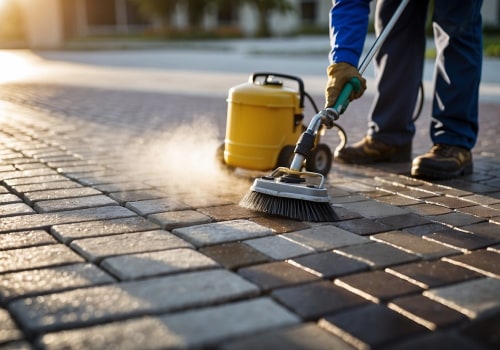
One of the simplest methods to remove efflorescence is by using a dry brush. This method is effective for light deposits:- Use a stiff-bristled brush to gently scrub the affected areas.
- Make sure to brush in a circular motion to lift the white powdery substance.
- After brushing, sweep away the debris and check if further cleaning is needed.
2.Water and Vinegar Solution
If dry brushing doesn’t completely eliminate the efflorescence, consider using a water and vinegar solution:- Mix one part white vinegar with three parts water in a spray bottle.
- Spray the solution onto the affected pavers and let it sit for about 10-15 minutes.
- Scrub with a stiff brush and rinse thoroughly with water.
3.Commercial Efflorescence Cleaners
For more stubborn cases, you may need to invest in a commercial cleaner specifically designed for cleaning pavers.Follow these steps:
- Select a cleaner that is safe for your type of pavers.
- Apply according to the manufacturer’s instructions, usually involving spraying and scrubbing.
- Rinse thoroughly after application to ensure no residue remains.
4.Preventive Measures
To avoid future occurrences of efflorescence, consider these preventive measures:- Seal your pavers with a high-quality sealant after cleaning.
- Avoid overwatering plants near paved areas to reduce moisture levels.
- Ensure proper drainage around your paver installation to minimize water accumulation.
FAQs About Efflorescence and Paver Maintenance
Efflorescence is a common concern for homeowners with paver installations. Here are some frequently asked questions that can help you understand this phenomenon and how it relates to paver maintenance.What is efflorescence?
Efflorescence is a white, powdery substance that can appear on the surface of pavers. It occurs when water-soluble salts within the paver material or the underlying soil dissolve in water and migrate to the surface.As the water evaporates, these salts are left behind, creating the visible white residue.
What causes efflorescence on pavers?
Several factors can contribute to the development of efflorescence:- Moisture: Excess moisture from rain, irrigation, or groundwater can lead to efflorescence.
- Paver composition: Some pavers contain higher levels of soluble salts, making them more prone to efflorescence.
- Improper drainage: Poor drainage systems can trap water beneath the pavers, increasing the likelihood of salt migration.
How can I prevent efflorescence?
Preventing efflorescence involves proper paver maintenance. Here are some tips:- Seal your pavers: Applying a high-quality sealant can help protect against moisture infiltration.
- Ensure proper drainage: Make sure your landscape is graded correctly to direct water away from paver surfaces.
- Avoid overwatering: Be mindful of irrigation practices to prevent excess moisture accumulation.
Can I remove efflorescence once it appears?
Yes, efflorescence can typically be removed using a stiff brush and water. For more stubborn cases, a mixture of vinegar and water or a specialized efflorescence cleaner may be effective. Always test any cleaning solution on a small area first to ensure it does not damage the pavers.If you have further questions about paver maintenance or dealing with efflorescence, consulting with a professional can provide tailored advice for your specific situation.Conclusion: Key Takeaways on Efflorescence and Paver Care
In conclusion, understanding the causes of efflorescence on pavers is crucial for effective paver maintenance.Efflorescence occurs when water-soluble salts within the paver materials are brought to the surface by moisture, leading to unsightly white stains. This phenomenon can be exacerbated by several factors, including:
- High humidity: Excess moisture in the air can increase the likelihood of efflorescence.
- Paver composition: Certain materials are more prone to salt leaching than others.
- Improper drainage: Poor drainage systems can trap water around pavers, promoting efflorescence.
- Temperature fluctuations: Rapid changes in temperature can cause moisture to evaporate quickly, leaving salts behind.
- Regular cleaning: Use a pressure washer or a stiff brush to remove any existing efflorescence and prevent buildup.
- Seal your pavers: Applying a high-quality sealant can help protect against moisture intrusion and reduce the risk of efflorescence.
- Improve drainage: Ensure that your landscape is graded properly to direct water away from paver surfaces.
- Monitor weather conditions: Be mindful of humidity levels and avoid sealing pavers during wet conditions.